Simplify Meal Planning
Meal planning doesn’t need to be high effort it just needs to be on autopilot. Start with a weekly meal template. Think: tacos on Monday, pasta on Wednesday, bowl night on Friday. Rotate ingredients, not the structure. This kills decision fatigue and speeds up prep time.
Batching also helps. Stick to one meal type per time slot salads for lunch, bowls or stir fries for dinner. With some base ingredients on hand, those meals become plug and play. Just change the veggies or protein to keep it interesting without starting from scratch.
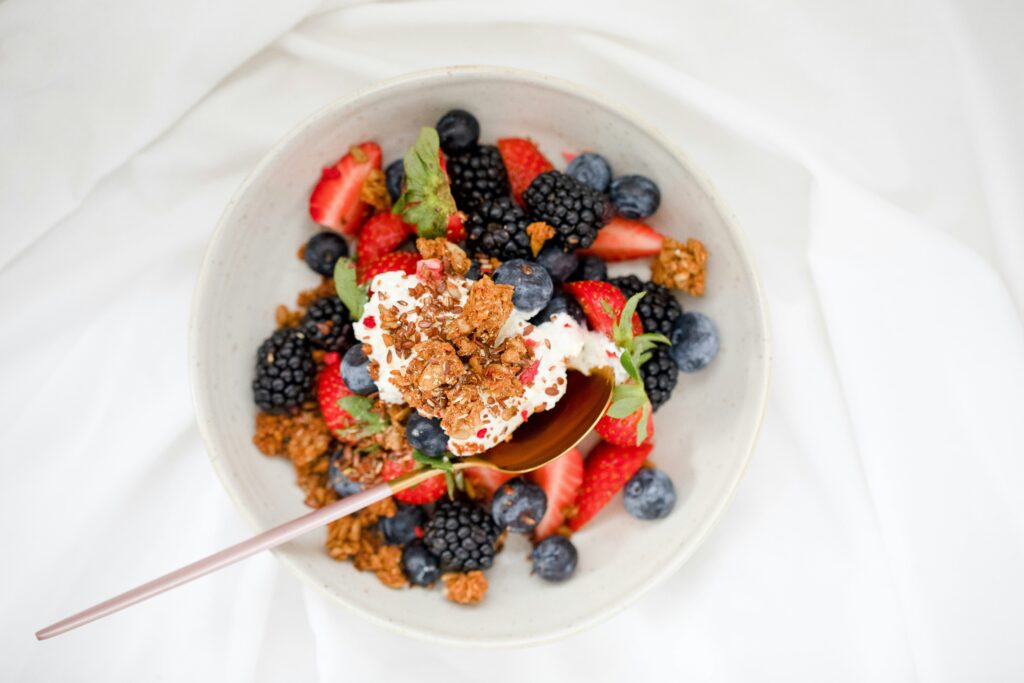
Build your shopping list around what’s on sale and in season. Grocery flyers and discount apps are your friends. Broccoli cheap this week? That goes into the stir fry. Strawberries on sale? Breakfast sorted. You save money and waste less.
Keep it simple, repeatable, flexible. That’s the system. Not fancy, but it works.
Cook Once, Eat Multiple Times
When time is tight, your weekend kitchen session is your week’s secret weapon. Batch cooking isn’t just efficient it’s survival. Set aside a few hours on Saturday or Sunday to crank out the basics: grilled chicken thighs, a pot of black beans, a batch of quinoa. These are the workhorses that plug into wraps, salads, grain bowls, even breakfast scrambles.
Don’t just make one meal make parts of many. Mix and match through the week to avoid burnout. It’s less effort, fewer dishes, and way fewer excuses to order takeout.
Invest in a small army of reusable containers. Stack them neatly in your fridge, label with dates, and you’ve got a grab and go system ready to go Monday morning. No guesswork. No wasted time. Just fuel, fast.
Smart Grocery Shopping Hacks
Walking into a store without a plan is a fast track to overspending and under prepping. Make a list and stick to it. Know what meals you’re buying for, and don’t shop hungry. Hunger leads to impulse buys, and those grab and go snacks can quietly wreck your budget.
When it comes to staples, don’t get caught up in branding. Store brand oats, frozen vegetables, rice, and lentils are typically just as good as name brands at a fraction of the price. They store well, cook fast, and can be the base of dozens of meals.
And don’t underestimate frozen produce. It’s picked and flash frozen at peak ripeness, which means it’s just as nutritious as fresh and often cheaper. Plus, it lasts longer and cuts down on waste. Less wilted spinach in the fridge, more budget left in your pocket.
Use Kitchen Tools That Save Time
When your schedule is already packed, the right kitchen gear can seriously change the game. A slow cooker or Instant Pot won’t just save you time they’ll keep you from defaulting to takeout. Toss in ingredients in the morning, come home to a hot meal. It’s set it and forget it cooking that works while you do.
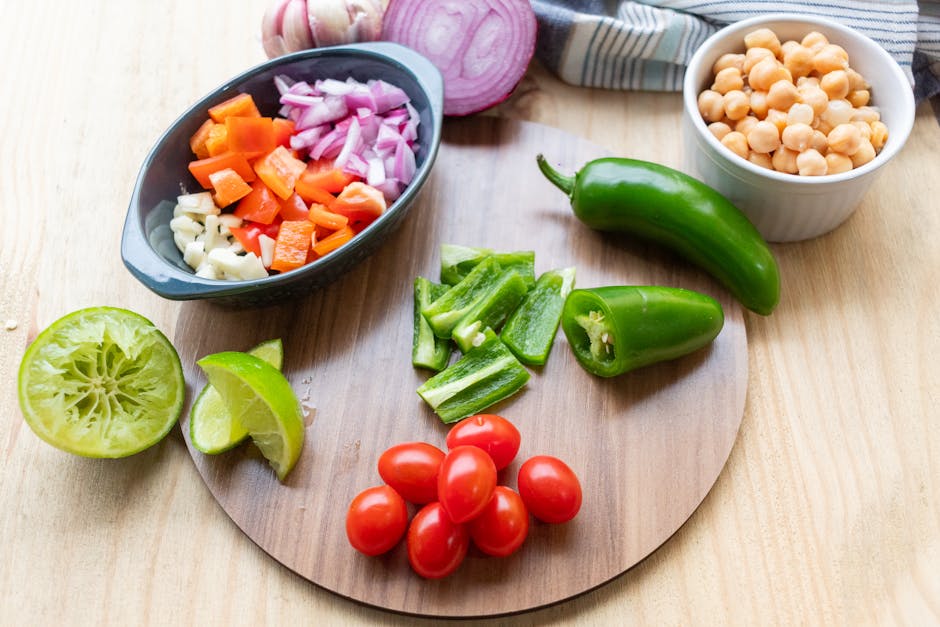
Next, pre chop your veggies. Better yet, do it in one go after your grocery run. Store them in airtight containers so they’re ready during the week. For sauces and spreads, keep a mini food processor on hand. It’ll whip up pesto, hummus, or even quick dressings in under a minute.
Lastly, grains. Cook more than you need. Whether it’s brown rice, quinoa, or farro, make a big pot, pack it in freezer containers, and pull them out when needed. It’s little moves like this that shrink weekday meal prep to almost nothing. Simple tools, less hassle.
Healthy Doesn’t Have to Be Fancy
Eating well doesn’t mean you need a chef’s pantry or an extra hour each day. Some of the most nutritious ingredients are inexpensive, versatile, and require minimal prep. Eggs, canned tuna, legumes, Greek yogurt, and spinach should be regulars on your grocery list. These basics pack protein, fiber, and key nutrients without draining your wallet.
Bowls are the new weeknight hero throw together a grain, a protein, some chopped greens or frozen veggies, and a topping like hummus or hot sauce. Done. They’re faster (and cheaper) than ordering out, and you actually know what’s in them.
Keep a few go to meals in rotation: stir fries that use up random veggies, omelets built from fridge scraps, and wraps stuffed with beans and greens. Meals like these take 15 minutes tops, and they avoid the spiral of “nothing to eat” leading straight to takeout.
Simple wins. Every time.
Be Strategic with Snacks
When your schedule’s stacked and hunger hits, vending machines become tempting and expensive. Stay ahead of the crash by prepping smart snacks. Think: small containers or zip bags of almonds, sliced fruit, or hard boiled eggs. Done right, these take five minutes to prep and last all week.
Keep a small stash at work or in your bag. A container of trail mix in your glove compartment or a banana in your desk drawer beats a last minute gas station run every time. The goal: reduce friction between you and the better choice.
For real staying power, pair protein with fiber. That could be Greek yogurt and berries, a cheese stick with whole grain crackers, or hummus with snap peas. These combos curb cravings, keep your energy stable, and keep you moving without the afternoon slump.
Stay Mindful, Even When You’re Rushed
Healthy eating isn’t just about what’s on your plate it’s also how you eat it. In busy seasons, even one slowed down meal a day can make a difference. When you actually taste what you’re eating, your body has time to signal you when it’s had enough. That curb on impulse eating? It’s real.
Listening to hunger cues and respecting your natural rhythms beats eating by the clock or out of stress. If lunch slips late, no big deal just don’t wolf down whatever’s closest. Give your body a moment to catch up. Digestion improves when you’re not multitasking through your meal.
Not sure where to start? Learn the basics of mindful eating and how to build it into your routine here: The Benefits of Mindful Eating and How to Practice It.
 Virginia Rossintall is the kind of writer who genuinely cannot publish something without checking it twice. Maybe three times. They came to food culture and trends through years of hands-on work rather than theory, which means the things they writes about — Food Culture and Trends, Meal Planning and Preparation, Recipe Ideas and Cooking Techniques, among other areas — are things they has actually tested, questioned, and revised opinions on more than once.
That shows in the work. Virginia's pieces tend to go a level deeper than most. Not in a way that becomes unreadable, but in a way that makes you realize you'd been missing something important. They has a habit of finding the detail that everybody else glosses over and making it the center of the story — which sounds simple, but takes a rare combination of curiosity and patience to pull off consistently. The writing never feels rushed. It feels like someone who sat with the subject long enough to actually understand it.
Outside of specific topics, what Virginia cares about most is whether the reader walks away with something useful. Not impressed. Not entertained. Useful. That's a harder bar to clear than it sounds, and they clears it more often than not — which is why readers tend to remember Virginia's articles long after they've forgotten the headline.
Virginia Rossintall is the kind of writer who genuinely cannot publish something without checking it twice. Maybe three times. They came to food culture and trends through years of hands-on work rather than theory, which means the things they writes about — Food Culture and Trends, Meal Planning and Preparation, Recipe Ideas and Cooking Techniques, among other areas — are things they has actually tested, questioned, and revised opinions on more than once.
That shows in the work. Virginia's pieces tend to go a level deeper than most. Not in a way that becomes unreadable, but in a way that makes you realize you'd been missing something important. They has a habit of finding the detail that everybody else glosses over and making it the center of the story — which sounds simple, but takes a rare combination of curiosity and patience to pull off consistently. The writing never feels rushed. It feels like someone who sat with the subject long enough to actually understand it.
Outside of specific topics, what Virginia cares about most is whether the reader walks away with something useful. Not impressed. Not entertained. Useful. That's a harder bar to clear than it sounds, and they clears it more often than not — which is why readers tend to remember Virginia's articles long after they've forgotten the headline.