What “Farm to Table” Actually Means
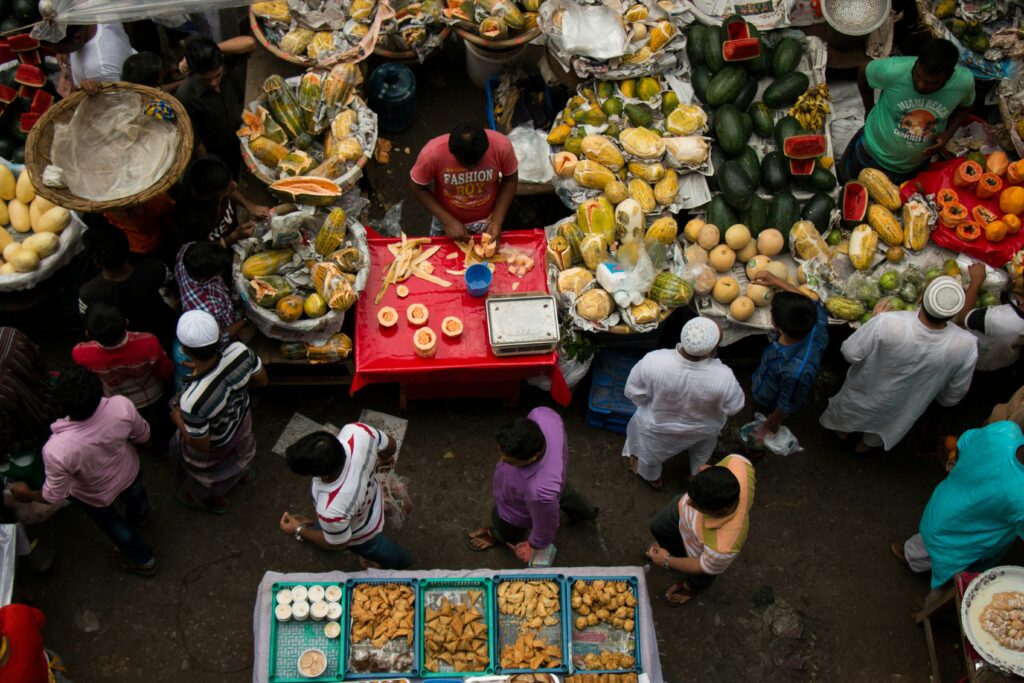
It’s not just a fancy phrase chefs like to drop. “Farm to table” means sourcing ingredients directly from local farms often within a couple of hours’ drive, sometimes from just down the road. It cuts out the middlemen, shortens the supply chain, and brings food to the plate with minimal delay. The result? Freshness you can taste and ingredients that haven’t traveled halfway around the world before hitting a cutting board.
But it’s more than just about food quality. This movement is grounded in transparency knowing who grows your produce, raises your meat, or milks your dairy. Chefs build direct relationships with farmers. Consumers get a clearer picture of where their meals are coming from. And in a crowded marketplace obsessed with buzzwords, that honesty matters. Farm to table isn’t a marketing gimmick it’s a handshake between grower, cook, and customer that puts care and clarity on the menu.
Why It’s Gaining Ground in 2026
The industrial food system has come under a magnifying glass, and what consumers are seeing isn’t pretty. Between massive carbon footprints, soil depletion, and the overuse of synthetic chemicals, large scale farming has become a clear target in the climate conversation. People aren’t just asking where their food comes from they’re asking what kind of future that food is feeding.
In response, a demand shift is unfolding across supermarkets and restaurants alike. Consumers want ingredients that are not only fresher, but also ethically sourced and sustainably grown. Local farms, heirloom crops, and pasture raised meats are making their way into everyday kitchens, not just high end dining experiences. This isn’t just a trend it’s the rise of conscious cuisine. It’s food that feeds you and aligns with your values.
For chefs and diners paying attention, ingredient sourcing is as much about environmental stewardship as it is about taste. And with more people choosing dishes based on values rather than convenience, menus are starting to reflect that shift.
Curious about what’s next for your plate? Check out the Top 5 Culinary Trends to Watch This Year.
How It Strengthens Communities

At its core, the farm to table movement is about more than food it’s about connection. When restaurants and consumers buy from nearby producers, more of every dollar stays in the community. Instead of profits vanishing into global supply chains, local farms see real returns. That money circulates through towns, counties, and regions supporting jobs, equipment repairs, even local schools.
Small scale farmers benefit directly. They’re not competing with massive importers or bending to industrial standards. They’re growing what makes sense for their soil, climate, and neighbors. That freedom often leads to higher quality food and stronger relationships. Customers become names, not numbers.
The result? A tighter web between farm and fork. City dwellers get a cleaner view of where their food comes from. Rural food producers are seen as essential contributors, not background players. It’s not flashy, but it builds resilience one harvest at a time.
Challenges Behind the Movement
The farm to table model sounds ideal and in many ways, it is. But scaling it comes with real friction. Start with access: in low income neighborhoods or areas far from agricultural zones, local food isn’t just rare, it’s often non existent. Infrastructure for direct sourcing is sparse, and without subsidies or support, families in these communities simply don’t have the same options.
Then there’s the cost. Small scale farms don’t benefit from the same economies as industrial agriculture. That means higher prices, especially when produce is seasonal and supply is tight. For consumers, this can make “eating local” feel like a luxury rather than a standard. For restaurants, it’s a budgeting challenge. Building a menu around what’s growing locally while still turning a profit isn’t easy.
Add logistics into the mix. Getting fresh ingredients from multiple tiny farms, with different harvest times and delivery capabilities, creates a coordination headache. For busy chefs or food delivery apps, consistency and reliability matter and that’s where farm to table struggles to compete with big distributors.
The movement has heart. But to move beyond the niche, it needs smarter infrastructure, broader education, and policy that bridges the gap between good food and those who can’t currently reach it.
What to Look for as a Consumer
If you care about where your food comes from, start by asking. Restaurants with nothing to hide will tell you exactly where their ingredients are sourced. You’ll spot the difference between marketing spin and genuine transparency pretty quickly. Don’t settle for vague phrases like “locally inspired” ask for names, places, and farms.
Outside the restaurant scene, hit your local farmers’ market or look into joining a CSA program. These aren’t just feel good options they often mean fresher produce, less packaging, and direct dollars to growers. You also build a relationship with your food in a way grocery aisles just can’t match.
But here’s the honest part: local food is seasonal. That means no strawberries in December and no tomatoes until summer hits. Real farm to table eating shifts with the calendar. It’s not a limitation it’s an invitation to cook and eat in rhythm with your region. If you’re in, adjust your expectations and plan your meals like you check the weather.
Where It’s Headed Next
The farm to table movement is going digital. New tech platforms are cutting out middlemen and pairing farmers directly with consumers. Apps let you order a box of just picked greens or schedule a delivery from a local shepherd. It’s not just convenience it’s trust. You know where your food’s coming from, and you know who grew it.
At the same time, the concept of “local” is being redefined up, not out. Vertical farms and micro farming setups in cities are turning rooftops and shipping containers into full blown ecosystems. It’s efficient, hyper local, and immune to sprawling supply chains.
Chefs are adapting too. Instead of locking in menus months ahead, they’re building them around the day’s harvest. If radishes showed up at 8 a.m., they might be on a plate by noon. It’s a return to intuitive cooking: ingredient first, not trend first. This is where farm to table is heading not as a trend, but as infrastructure.
 Ask Jorveth Eldricson how they got into meal planning and preparation and you'll probably get a longer answer than you expected. The short version: Jorveth started doing it, got genuinely hooked, and at some point realized they had accumulated enough hard-won knowledge that it would be a waste not to share it. So they started writing.
What makes Jorveth worth reading is that they skips the obvious stuff. Nobody needs another surface-level take on Meal Planning and Preparation, Nutrition and Wellness Insights, Recipe Ideas and Cooking Techniques. What readers actually want is the nuance — the part that only becomes clear after you've made a few mistakes and figured out why. That's the territory Jorveth operates in. The writing is direct, occasionally blunt, and always built around what's actually true rather than what sounds good in an article. They has little patience for filler, which means they's pieces tend to be denser with real information than the average post on the same subject.
Jorveth doesn't write to impress anyone. They writes because they has things to say that they genuinely thinks people should hear. That motivation — basic as it sounds — produces something noticeably different from content written for clicks or word count. Readers pick up on it. The comments on Jorveth's work tend to reflect that.
Ask Jorveth Eldricson how they got into meal planning and preparation and you'll probably get a longer answer than you expected. The short version: Jorveth started doing it, got genuinely hooked, and at some point realized they had accumulated enough hard-won knowledge that it would be a waste not to share it. So they started writing.
What makes Jorveth worth reading is that they skips the obvious stuff. Nobody needs another surface-level take on Meal Planning and Preparation, Nutrition and Wellness Insights, Recipe Ideas and Cooking Techniques. What readers actually want is the nuance — the part that only becomes clear after you've made a few mistakes and figured out why. That's the territory Jorveth operates in. The writing is direct, occasionally blunt, and always built around what's actually true rather than what sounds good in an article. They has little patience for filler, which means they's pieces tend to be denser with real information than the average post on the same subject.
Jorveth doesn't write to impress anyone. They writes because they has things to say that they genuinely thinks people should hear. That motivation — basic as it sounds — produces something noticeably different from content written for clicks or word count. Readers pick up on it. The comments on Jorveth's work tend to reflect that.