Start With the Foundations
Knowing your way around a pan isn’t just about making fancier meals it’s about being efficient. Basic cooking techniques give you control. When you know how to sauté, boil, roast, or steam with confidence, you stop relying on takeout or over processed shortcuts. That translates to real savings of both time and money. Ingredients stretch further. Groceries don’t rot in the fridge. And you spend less time second guessing yourself in the kitchen.
Mastering the basics also builds momentum. Once you feel solid flipping an omelet or roasting vegetables without burning them, your confidence spikes. That sense of ease makes cooking feel like a skill, not a chore.
And no basic doesn’t mean boring. These are the fundamental moves every great dish is built on. They’re the toolkit behind your favorite meals. Knocking out pasta that isn’t mushy or getting your chicken crispy instead of dry? That’s basic but it’s also essential. Once you nail the techniques, variation and creativity come naturally.
The Core Methods You Need to Know
Sautéing
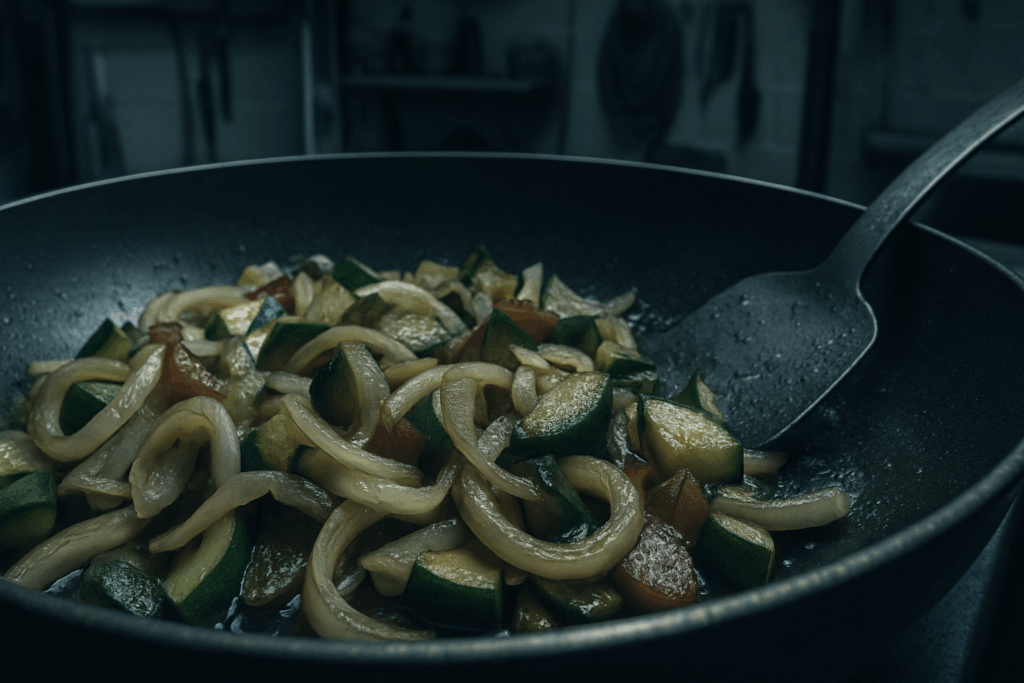
This one’s all about speed and heat. Sautéing uses a small amount of oil or fat over medium high to high heat. Think onions in a hot pan until they brown, or searing thin cuts of meat just until they color. It’s not about a slow cook it’s about kickstarting flavor. You’ll want to keep things moving so nothing burns. A good nonstick or stainless steel pan and a spatula are your best friends here.
Boiling & Simmering
Boiling gets things going fast great for pasta, grains like rice, or blanching veggies. Simmering is slower, calmer. Ideal for soups, stews, and anything that needs time to come together. The surface should just bubble gently, not boil over. It’s low effort but high reward for hearty meals.
Steaming
Zero oil, minimal fuss. Steaming uses hot vapor to cook food evenly. Best for vegetables, dumplings, or delicate proteins like fish. It preserves color and nutrients. You’ll need a steamer basket or setup that keeps food above the water. Season after cooking to keep it light but flavorful.
Baking & Roasting
Dry heat in the oven, but two different vibes. Baking covers everything from bread and muffins to casseroles. Roasting is for vegetables, meats anything that benefits from caramelized edges and soft interiors. Timing and temperature are key, so use your oven’s preheat and a timer. Trust the process.
Grilling (Indoor & Outdoor)
Perfect for locking in flavor with charred crusts and juicy insides. Outdoors? Get that flame fired flavor. Indoors, a grill pan or countertop grill handles the job. Steaks, veggies, kabobs grill marks make everything look pro. Preheat your grill, don’t fiddle too much, and let the heat work its magic.
For a deeper dive on low stress approaches: check out these easy cooking methods.
Tools That Make the Basics Easier

Before you cook like a pro, you need the gear that won’t fight you. Start with solid pans one nonstick skillet, one stainless for high heat jobs, and a decent sheet pan for roasting. You don’t need a full chef’s kitchen; you need what works.
Next up: knives. A good chef’s knife and a small paring knife will get you through 90% of home cooking. Keep them sharp. Dull blades waste time and can be more dangerous than sharp ones.
Thermometers are underrated. Internal doneness isn’t something you should guess. A basic digital readout can save your chicken, your time, and your reputation.
And let’s get this out of the way nonstick isn’t cheating. It’s efficient, especially for eggs, pancakes, and quick sautés. Use the tool that makes things easier, not harder.
Last tip: prep smarter. Chop vegetables in bulk, store minced garlic in oil, measure out ingredients before the stove’s even on. Time in prep is time saved mid recipe and avoids the panic of realizing you forgot something halfway through the cook.
Simple tools, smart habits. That’s how you shave stress off cooking and make room for real learning.
Practice Moves That Actually Help
You don’t need a culinary diploma to get good in the kitchen just repetition and a bit of tracking.
Start with one dish. Pick something simple like scrambled eggs, stir fry, or roasted chicken. Cook it three or four times in different ways. Try adjusting the heat, switching pans, changing up the fat you use. Don’t aim to make the “perfect version” focus on noticing what changes, and what doesn’t. This kind of hands on comparison teaches faster than any recipe walkthrough.
Leftovers are underrated training material. Use them to play. That roast veggie bowl from yesterday? Turn it into soup or tacos. Leftover pasta? Sauté it crispy. Reinventing instead of reheating builds intuition fast.
Track what you try. Doesn’t have to be pretty. A notebook, a notes app, or even scribbles on a recipe card work. Jot down what technique you used, how it turned out, and what you’d tweak. Over time, this becomes your personal cooking playbook real experience, not just saved Pinterest links.
Don’t overdo it. Don’t overthink it. Practice means cooking often and paying attention. That’s the game.
Bonus tip: The key is not in overthinking but in repeating what works. These easy cooking methods are your shortcut to better meals with less stress.
Level Up Without Getting Overwhelmed
You’ve got the basics down great. Now comes the part where cooking gets more interesting, not more complicated. The right time to move from beginner to intermediate techniques is usually when you’ve repeated the same recipes a few times, feel comfortable with heat control, and you’ve started asking, “How can I make this better?” That’s your cue to explore flavor building.
Start with herbs and spices. Don’t dump in a dozen use two or three that play well together. Toast dry spices briefly in oil before adding other ingredients. Add fresh herbs toward the end of cooking, not right at the beginning. Taste as you go, and adjust. Good flavor isn’t luck it’s layering.
Beginner mistakes still happen, even as you level up. Burnt garlic? Add it later in the process, not to ripping hot oil. Soggy veggies? Too low heat or overcrowding get the pan hot, don’t stir too much, and spread things out. Undercooked pasta? Taste earlier than the package says, then finish in sauce for that extra punch.
Improving doesn’t mean making it fancy. It means paying closer attention and fixing what used to trip you up. That’s the whole move from basic to better.
Keep It Simple, Keep It Consistent
You don’t have to become a chef. You just need to know enough to make food you actually want to eat. That means nailing a handful of basics and repeating them until they’re second nature. Scrambled eggs that aren’t dry. Pasta that’s not a gluey mess. A pan of roasted vegetables that actually tastes good. That’s your core.
Start with what you’ve got. If the recipe calls for shallots and all you’ve got is onions, use the onions. No fresh herbs? Shake in some dried. The habit of cooking is more powerful than the perfect ingredient. Let your pantry set the direction, and roll with it. You’ll pick up techniques naturally if you keep showing up to the stove.
And here’s the unglamorous truth: cleaning as you go is a superpower. A wiped counter and an empty sink can be the thin line between cooking feeling like therapy or feeling like a mistake. Make cleanup part of your rhythm. It keeps the process lighter, and you’ll be way more likely to cook again tomorrow.
 Virginia Rossintall is the kind of writer who genuinely cannot publish something without checking it twice. Maybe three times. They came to food culture and trends through years of hands-on work rather than theory, which means the things they writes about — Food Culture and Trends, Meal Planning and Preparation, Recipe Ideas and Cooking Techniques, among other areas — are things they has actually tested, questioned, and revised opinions on more than once.
That shows in the work. Virginia's pieces tend to go a level deeper than most. Not in a way that becomes unreadable, but in a way that makes you realize you'd been missing something important. They has a habit of finding the detail that everybody else glosses over and making it the center of the story — which sounds simple, but takes a rare combination of curiosity and patience to pull off consistently. The writing never feels rushed. It feels like someone who sat with the subject long enough to actually understand it.
Outside of specific topics, what Virginia cares about most is whether the reader walks away with something useful. Not impressed. Not entertained. Useful. That's a harder bar to clear than it sounds, and they clears it more often than not — which is why readers tend to remember Virginia's articles long after they've forgotten the headline.
Virginia Rossintall is the kind of writer who genuinely cannot publish something without checking it twice. Maybe three times. They came to food culture and trends through years of hands-on work rather than theory, which means the things they writes about — Food Culture and Trends, Meal Planning and Preparation, Recipe Ideas and Cooking Techniques, among other areas — are things they has actually tested, questioned, and revised opinions on more than once.
That shows in the work. Virginia's pieces tend to go a level deeper than most. Not in a way that becomes unreadable, but in a way that makes you realize you'd been missing something important. They has a habit of finding the detail that everybody else glosses over and making it the center of the story — which sounds simple, but takes a rare combination of curiosity and patience to pull off consistently. The writing never feels rushed. It feels like someone who sat with the subject long enough to actually understand it.
Outside of specific topics, what Virginia cares about most is whether the reader walks away with something useful. Not impressed. Not entertained. Useful. That's a harder bar to clear than it sounds, and they clears it more often than not — which is why readers tend to remember Virginia's articles long after they've forgotten the headline.