

What “Balanced” Really Means
Forget all the hype about magic diets or one size fits all meal plans. A balanced diet starts with understanding some basic building blocks: macronutrients and micronutrients.
Macronutrients are your big three protein, carbohydrates, and fats. Protein helps build and repair tissue, keeps you feeling full, and supports immune health. Good sources? Think chicken, tofu, eggs, legumes. Carbs are your body’s preferred energy source, but the quality matters. Go for whole grains, fruits, and vegetables over refined sugars and flours. And fats they aren’t the enemy. Your body needs healthy fats from nuts, seeds, avocados, and olive oil to support brain function and absorb vitamins.
Micronutrients, on the other hand, are the quiet workhorses vitamins and minerals that keep your systems running. Iron helps move oxygen in your blood. Vitamin D supports bone health and immune response. Magnesium calms your nervous system. You don’t need to obsess over these, but you do need variety: colorful veggies, leafy greens, fruits, whole grains, and lean proteins will get you there.
Now here’s the part that trips people up: portion control. Calories do count but focusing only on calorie counting misses the point. Two meals might pack the same number of calories, but one fuels your body and the other slows it down. Pay attention to hunger cues, build meals around whole foods, and use smaller plates if that helps reset your sense of enough. It’s not about restriction. It’s about awareness.
Reading Food Labels Without Getting Confused
Reading a nutrition label isn’t rocket science it just takes a little focus and a few key rules.
First up: added sugars. Manufacturers love to sneak them in under different names. Look for anything ending in “ ose” (like sucrose or glucose), syrups (corn syrup, brown rice syrup), and words like “fruit juice concentrate.” Aim for single digit grams of added sugar per serving lower is better.
Fiber, sodium, and saturated fat are the next signposts. Fiber should go up; sodium and saturated fat should stay down. Look for at least 3g of fiber per serving to keep digestion running smoothly. For sodium, anything over 400mg in a single serving should trigger a second look, especially in packaged meals. Saturated fat? Keep it under 10% of your daily value per serving, unless it’s from whole food sources like nuts.
Finally, ingredients lists. Shorter is usually better. If the first few items are whole foods like oats, lentils, olive oil you’re on the right track. Avoid ultra processed ingredients with names you couldn’t pronounce in middle school. Watch out for artificial colors, hydrogenated oils, and preservatives that show up too high in the list.
Bottom line: aim for simple. If you wouldn’t cook with it in your own kitchen, think twice about eating it from a package.
The Truth About “Healthy” Foods
Walk through any grocery aisle and you’ll see packaging that screams “healthy” but what’s printed on the label doesn’t always match what’s inside. Food companies know how to dress up products with marketing language that looks clean and wholesome, even when the ingredients say otherwise.
Terms like “natural,” “organic,” and “low fat” don’t always mean what people think. “Natural” can still include processed sugars and additives. “Organic” speaks to how ingredients are grown, not what they do for your body. And “low fat” often comes at the cost of added sugar or sodium to keep things tasting good. In other words, these buzzwords are easy to slap on, but they rarely tell the whole story.
Then there’s the problem with health halos. Granola bars packed with syrup, yogurts loaded with added sugar, or veggie chips with barely any actual vegetables these are products that ride the healthy brand train but offer little nutritional value. Just because something started healthy doesn’t mean it stayed that way by the time it hit the shelf.
Bottom line? Flip the packaging over. Read the ingredients. Check the sugar, sodium, and fiber numbers. Labels can mislead, but the fine print usually tells the truth.
The Power of Home Cooking
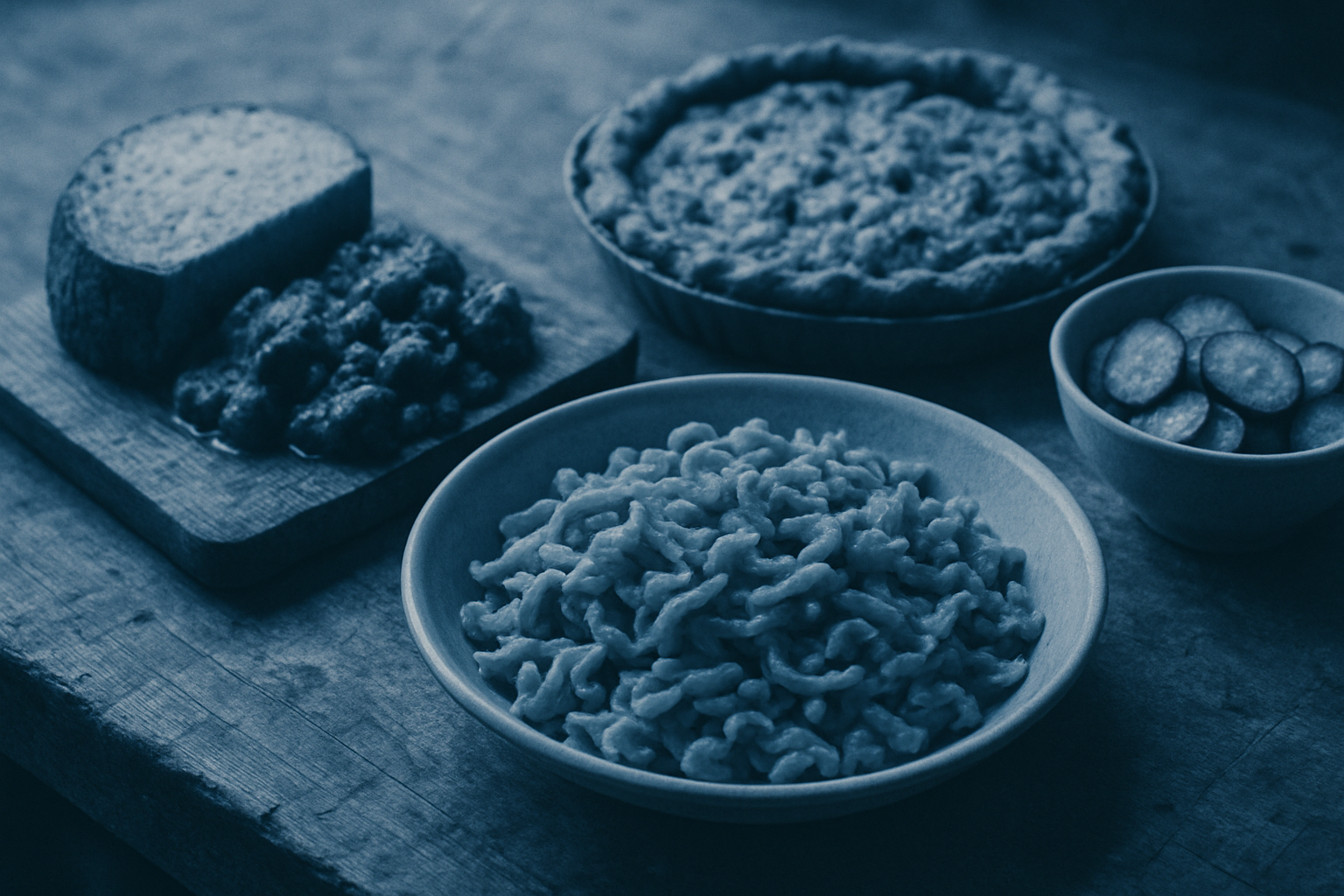
There’s no competition homemade almost always beats processed. When you cook at home, you control what goes in and what stays out. No preservatives, no surprise added sugars, no fillers you can’t pronounce. Just real food, built for real energy.
The easiest way to eat healthier starts with whole ingredients. Think fresh vegetables, grains, lean proteins, and healthy fats. You build the meal around what’s real, not what’s pre packaged. That doesn’t mean gourmet. Start simple. One pot meals, roasted sheet pans, batch soups. Pick up staples like rice, beans, frozen produce, and spices stuff that stretches across the week.
Batch cooking isn’t flashy, but it works. One session on Sunday can set you up for the next few days. Then when hunger hits, you’re not reaching for chips you’ve got your meals ready to go.
Need inspiration? Start with the basics. Browse healthy basics recipes to find practical, quick options that actually taste good.
Daily Habits That Make or Break Nutrition
Good nutrition isn’t just about what’s on your plate it’s also shaped by daily habits that support or sabotage your health goals. These seemingly small behaviors can have a major impact over time.
Hydration: How Much Water Is Enough?
Staying hydrated plays a key role in digestion, energy levels, skin health, and even appetite regulation. But how much is enough?
A general guideline: aim for 8 cups (64 oz) per day, but individual needs may vary based on size, activity level, and environment
A better indicator: drink enough so your urine is light yellow not dark or completely clear
Increase water intake during workouts, hot weather, or illness
If plain water feels boring, try:
Fruit infused water (cucumber, citrus, berries)
Herbal teas (caffeine free options like peppermint or chamomile)
Mindful Eating and Hunger Cues
Mindful eating helps you reconnect with your body’s signals and avoid overeating out of boredom, stress, or habit.
Key habits to practice:
Pause before meals: Are you physically hungry, or just bored/stressed?
Slow down: Put your fork down between bites and really taste your food
Stop before you’re stuffed: Aim to eat until you’re satisfied not full
Train yourself to:
Listen to hunger cues instead of following the clock
Avoid multitasking (especially screens) during meals
Notice emotional triggers that lead to mindless snacking
How Sleep, Stress, and Movement Affect Your Choices
Your energy, motivation, and cravings are all highly influenced by how you sleep, manage stress, and move your body.
Sleep:
Adults need 7 9 hours per night
Poor sleep can lead to carb and sugar cravings, poorer impulse control, and disrupted hunger hormones
Stress:
Chronic stress increases cortisol, which may lead to overeating or reaching for comfort foods
Practicing stress reducing techniques (deep breathing, journaling, walking) can improve decision making around food
Movement:
Regular activity supports better digestion and energy balance
Doesn’t have to be intense gentle walks, stretching, and dancing all count
Together, these foundational habits influence your nutrition more than you might expect. Before tweaking what’s on your plate, it helps to check in with how you’re sleeping, stressing, and moving.
Smart Swaps That Stick
Eating better doesn’t have to mean giving everything up overnight. Start with a few easy swaps that make a real difference and actually hold up in the long run.
Ditch the sugary drinks. That midday soda or sweetened iced coffee might feel like a pick me up, but it’s mostly a spike and crash situation. Go for fruit infused water or herbal tea instead. It keeps you hydrated, cuts sugar, and still feels like a treat.
Next up: rethink your carbs. White bread, pasta, and rice have had most of their fiber stripped out. Whole grains and legumes pack more nutrients and keep you full longer. They’re not just “healthier,” they’re actually more satisfying once you get used to them.
And the snack attack? It’s real. But instead of tearing into a bag of processed chips, try swapping in whole foods like nuts, fresh fruit, or plain yogurt. You get energy without the crash, and you’re feeding your body something real, not just a craving.
These aren’t dramatic changes. But they stick because they work. And that’s the point.
Sustainable Changes, Not Short Term Diets
Crash diets get headlines, but they rarely deliver lasting results. Sure, you can drop a few pounds by slashing carbs or skipping meals but what happens after week two? Hunger kicks in, energy dips, and old habits creep back. That’s the cycle quick fixes create: temporary wins followed by familiar setbacks.
Instead, focus on building a way of eating you don’t have to escape from. Start with realistic changes small adjustments that work with your life, not against it. Maybe that means learning how to batch cook your lunches, recognizing when you’re actually full, or just drinking more water throughout the day. The goal isn’t perfection. It’s a routine that holds steady even when life gets messy.
If you’re not sure where to begin, check out healthy basics recipes that make healthy eating easier without complicating your life.
 There is a specific skill involved in explaining something clearly — one that is completely separate from actually knowing the subject. Michael Ferminail has both. They has spent years working with food culture and trends in a hands-on capacity, and an equal amount of time figuring out how to translate that experience into writing that people with different backgrounds can actually absorb and use.
Michael tends to approach complex subjects — Food Culture and Trends, Nutrition and Wellness Insights, Healthy Eating Tips being good examples — by starting with what the reader already knows, then building outward from there rather than dropping them in the deep end. It sounds like a small thing. In practice it makes a significant difference in whether someone finishes the article or abandons it halfway through. They is also good at knowing when to stop — a surprisingly underrated skill. Some writers bury useful information under so many caveats and qualifications that the point disappears. Michael knows where the point is and gets there without too many detours.
The practical effect of all this is that people who read Michael's work tend to come away actually capable of doing something with it. Not just vaguely informed — actually capable. For a writer working in food culture and trends, that is probably the best possible outcome, and it's the standard Michael holds they's own work to.
There is a specific skill involved in explaining something clearly — one that is completely separate from actually knowing the subject. Michael Ferminail has both. They has spent years working with food culture and trends in a hands-on capacity, and an equal amount of time figuring out how to translate that experience into writing that people with different backgrounds can actually absorb and use.
Michael tends to approach complex subjects — Food Culture and Trends, Nutrition and Wellness Insights, Healthy Eating Tips being good examples — by starting with what the reader already knows, then building outward from there rather than dropping them in the deep end. It sounds like a small thing. In practice it makes a significant difference in whether someone finishes the article or abandons it halfway through. They is also good at knowing when to stop — a surprisingly underrated skill. Some writers bury useful information under so many caveats and qualifications that the point disappears. Michael knows where the point is and gets there without too many detours.
The practical effect of all this is that people who read Michael's work tend to come away actually capable of doing something with it. Not just vaguely informed — actually capable. For a writer working in food culture and trends, that is probably the best possible outcome, and it's the standard Michael holds they's own work to.