Start With the Serving Size
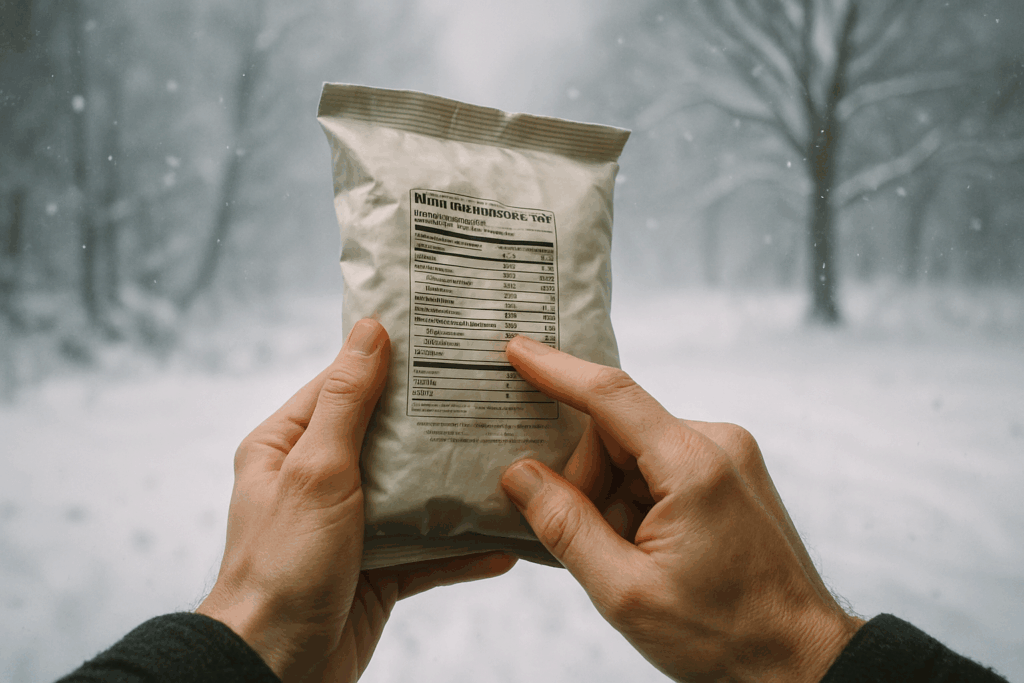
Serving size is the first thing on a food label for a reason it sets the stage for everything else you see. Calories, sugar, fat, sodium these numbers only make sense if you understand how much you’re actually eating. And here’s the catch: brands often shrink the serving size to make the nutrition facts look better than they really are.
For example, a bag of chips might say 140 calories, but that’s for 12 chips. Most people don’t stop there. Eat the whole bag, and you just tripled your numbers. Same goes for cereal, soda, or frozen meals. Pay attention to both the serving size and how many servings are in a container. That math adds up fast.
Want to compare two similar products? Make sure the serving sizes align. Looking at two jars of pasta sauce with different sodium amounts? If one is for half a cup and the other for a full cup, you’re not getting a fair read. Always level the playing field before making a choice.
Reading labels without checking the serving size first is like judging a race without knowing the distance. Start there, or the rest doesn’t matter.
Dig Into the Nutrients
This is where labels get messy and where most people zone out. But if you want to make smarter food choices, you’ve got to cut through the fog.
Let’s start with fat. “Total Fat” includes everything: saturated fat, trans fat, and the good stuff like monounsaturated and polyunsaturated fats. Saturated fat shows up mostly in animal products and some processed snacks. Too much? It’s linked to heart problems. Trans fat is worse; it’s often in older processed foods and baked goods. It raises bad cholesterol and lowers the good kind. Avoid it completely if it’s listed or if you see “partially hydrogenated oils” in the ingredients.
Carbs get a bad name, but they’re not all equal. Complex carbs from whole grains, beans, and veggies fuel you better than refined ones. Check the fiber and sugar lines right beneath the carb count. More fiber (think 3g or more per serving) is good. Less added sugar is even better. Watch out: even ‘healthy’ foods sneak in syrups and cane sugar.
Protein is straightforward it’s essential. Higher protein can aid in feeling full and maintaining muscle, especially in plant based diets. Just balance it out; more isn’t always better. Sodium is trickier. Too much leads to bloating and long term health issues. For packaged foods, try to stay under 500mg per serving unless it’s a full meal. And remember, low sodium isn’t the same as no flavor it just means smarter seasoning.
Don’t overcomplicate it. Read the numbers, compare with what else is in your cart, and move on. This isn’t about perfection it’s about cutting through the hype and knowing what’s hitting your plate.
Ingredient List: Where the Real Story Is

The ingredient list is where you get past the marketing and into the truth. It runs in order of quantity, so whatever’s listed first is what you’re mostly eating. When sugar, white flour, or any kind of oil is up top, think twice. Ideally, real food like oats, quinoa, chickpeas leads the list.
Watch out for sugar in disguise. It doesn’t always say “sugar.” It might be called glucose, dextrose, malt syrup, fruit juice concentrate, cane crystals the list goes on. If a product has multiple sweeteners sprinkled throughout the list, that’s a trick called “ingredient splitting” to make sugar look like a minor player. Don’t fall for it.
Red flags? A rainbow of artificial colors. Long, scientific sounding names you can’t pronounce. Phrases like “natural flavors” or “made with real fruit” can stretch the truth. Rule of thumb: If the label reads like a chemistry experiment, it’s probably not fueling your body the way you want.
Keep it short. Keep it simple. Ingredients you recognize are always a better bet.
Decoding Daily Value Percentages
Understanding the “% Daily Value” line on a nutrition label can turn confusing numbers into practical decisions. This percentage tells you how much a nutrient in one serving of a food contributes to your total daily diet, based on a 2,000 calorie per day guideline.
What “% Daily Value” Actually Means
Think of % Daily Value as a quick reference tool:
5% or less is considered low
20% or more is considered high
Use it to evaluate nutritional highs and lows without deep math. It can help you spot sneaky additives or realize when a food delivers meaningful nutrients.
When to Aim High
You want high percentages of the following beneficial nutrients:
Fiber (aids digestion, helps you feel full)
Vitamin D (supports immune and bone health)
Calcium (essential for bones and teeth)
Iron (crucial for energy and blood health)
Potassium (helps control blood pressure)
When to Go Low
Aim for low percentages of nutrients that can be harmful in high amounts:
Saturated Fat (linked to heart disease)
Sodium (high intake may raise blood pressure)
Added Sugars (closely connected to weight gain and metabolic issues)
The 5/20 Rule: A Quick Label Shortcut
This simple rule helps you scan a label fast:
5% DV or less = Low (okay for saturated fat, sodium, added sugar)
20% DV or more = High (great for fiber, vitamins, minerals)
By using % Daily Value strategically, you can shop smarter and support your nutrition goals without needing a calculator in the grocery aisle.
Be Skeptical of Health Claims
Terms like “All Natural,” “Sugar Free,” and “Whole Grain” sound reassuring, but they’re not always what they seem. Some of these claims are loosely regulated or not regulated at all. For example, “All Natural” isn’t clearly defined by the FDA, which means a product can carry the label even if it’s processed or contains additives. “Sugar Free” can still allow for trace amounts of sugar or use sugar alcohols that have their own issues. “Whole Grain” just means it has some whole grains not necessarily that it’s made mostly of them.
This is where skepticism helps. Instead of relying on front of package promises, flip the product over. Check the ingredient list. If “whole wheat” isn’t listed first, chances are you’re not getting a truly whole grain product. If there’s a long list of sugar aliases like maltodextrin, corn syrup, or evaporated cane juice then “sugar free” might come at a cost.
Same goes for nutrition facts. Claims on the front rarely tell the full story of what’s inside. A product labeled “low fat” could be packed with sodium or sugars to make up for taste. Only by checking the whole label ingredients and nutritional breakdown can you know what you’re actually buying.
More food label tips here
Best Practices for Smarter Shopping
When you’re standing in front of a wall of yogurt or comparing three kinds of bread, don’t let design fool you. Bright colors, rustic fonts, and buzzwords are all distractions. Focus on the label. Compare products side by side for what matters ingredient quality, sugar levels, sodium, and additives not who slapped a leaf graphic on the box.
Build a short list of ingredients you avoid, and keep it simple. Maybe you steer clear of high fructose corn syrup, artificial colors, or hydrogenated oils. Write them down. Keep the list in a note on your phone, or better yet, memorize it. The fewer filter rules, the faster you shop.
There’s no shame in tech assistance, either. Apps like Yuka, Fooducate, or EWG’s Food Scores can help break down what’s in your cart, instantly. Use them until you’ve built your own instincts.
Lastly, stay flexible. What’s allowed on packaging today might not be tomorrow. Brands reformulate. Regulations shift. That shortcut you learn now? Might be obsolete in a year. Keep reading labels with fresh eyes.
Check out these food label tips for more smart strategies.
 Virginia Rossintall is the kind of writer who genuinely cannot publish something without checking it twice. Maybe three times. They came to food culture and trends through years of hands-on work rather than theory, which means the things they writes about — Food Culture and Trends, Meal Planning and Preparation, Recipe Ideas and Cooking Techniques, among other areas — are things they has actually tested, questioned, and revised opinions on more than once.
That shows in the work. Virginia's pieces tend to go a level deeper than most. Not in a way that becomes unreadable, but in a way that makes you realize you'd been missing something important. They has a habit of finding the detail that everybody else glosses over and making it the center of the story — which sounds simple, but takes a rare combination of curiosity and patience to pull off consistently. The writing never feels rushed. It feels like someone who sat with the subject long enough to actually understand it.
Outside of specific topics, what Virginia cares about most is whether the reader walks away with something useful. Not impressed. Not entertained. Useful. That's a harder bar to clear than it sounds, and they clears it more often than not — which is why readers tend to remember Virginia's articles long after they've forgotten the headline.
Virginia Rossintall is the kind of writer who genuinely cannot publish something without checking it twice. Maybe three times. They came to food culture and trends through years of hands-on work rather than theory, which means the things they writes about — Food Culture and Trends, Meal Planning and Preparation, Recipe Ideas and Cooking Techniques, among other areas — are things they has actually tested, questioned, and revised opinions on more than once.
That shows in the work. Virginia's pieces tend to go a level deeper than most. Not in a way that becomes unreadable, but in a way that makes you realize you'd been missing something important. They has a habit of finding the detail that everybody else glosses over and making it the center of the story — which sounds simple, but takes a rare combination of curiosity and patience to pull off consistently. The writing never feels rushed. It feels like someone who sat with the subject long enough to actually understand it.
Outside of specific topics, what Virginia cares about most is whether the reader walks away with something useful. Not impressed. Not entertained. Useful. That's a harder bar to clear than it sounds, and they clears it more often than not — which is why readers tend to remember Virginia's articles long after they've forgotten the headline.