How Food Reflects Identity
Food is more than fuel it’s a quiet language of who we are and where we’ve been. Across cultures, what’s on the plate often speaks louder than words. Meals mark big moments: weddings, funerals, rites of passage. They carry the weight of memory, habit, and meaning. Think of the Christmas dishes passed down generation to generation, or the special stew that only comes out when a family gathers.
What we eat isn’t random. There’s intention behind ingredients and how they’re prepared. Recipes become rituals. In some cultures, food prep is communal and sacred; in others, silence at the table is a social norm. Whether it’s fasting during Ramadan or saving the best piece of meat for a guest, these daily habits echo shared values.
Even single ingredients can carry stories. Rice isn’t just rice it’s a symbol of fertility in some countries, survival in others. Spices may tell tales of migration, trade, or colonialism. Often, the way we cook is inherited, not just taught. Frying, fermenting, boiling each method has history behind it. None of it is accidental. Food becomes an edible version of identity: flexible, rooted, and always evolving.
Regional Flavors with Global Stories
Food doesn’t evolve in a vacuum. Geography, trade routes, and human migration all shape what ends up on our plates. Spices traveled with merchants along the Silk Road. Tomatoes and chilies hitchhiked across oceans with colonizers and explorers. Recipes were carried by hand, by memory, and by culture morphed by circumstance, scarcity, and adaptation.
That’s how sushi made it from Edo era Japan to strip malls in the Midwest. Tacos, once street food in Mexico, now show up in fine dining across Asia. Curry, in all its forms, is no longer just Indian it’s British, Caribbean, Japanese. These dishes moved and morphed, shaped by new lands and new appetites.
But with that reach comes friction. What does it mean to be authentic in a world where recipes constantly evolve? Innovators might twirl tradition into something fresh, but they also risk forgetting the roots. Chefs, creators, and eaters alike now navigate the line between honoring origin and embracing evolution.
Explore more about global food influences in our guide to culinary traditions.
Culture’s Role in Ingredients and Techniques
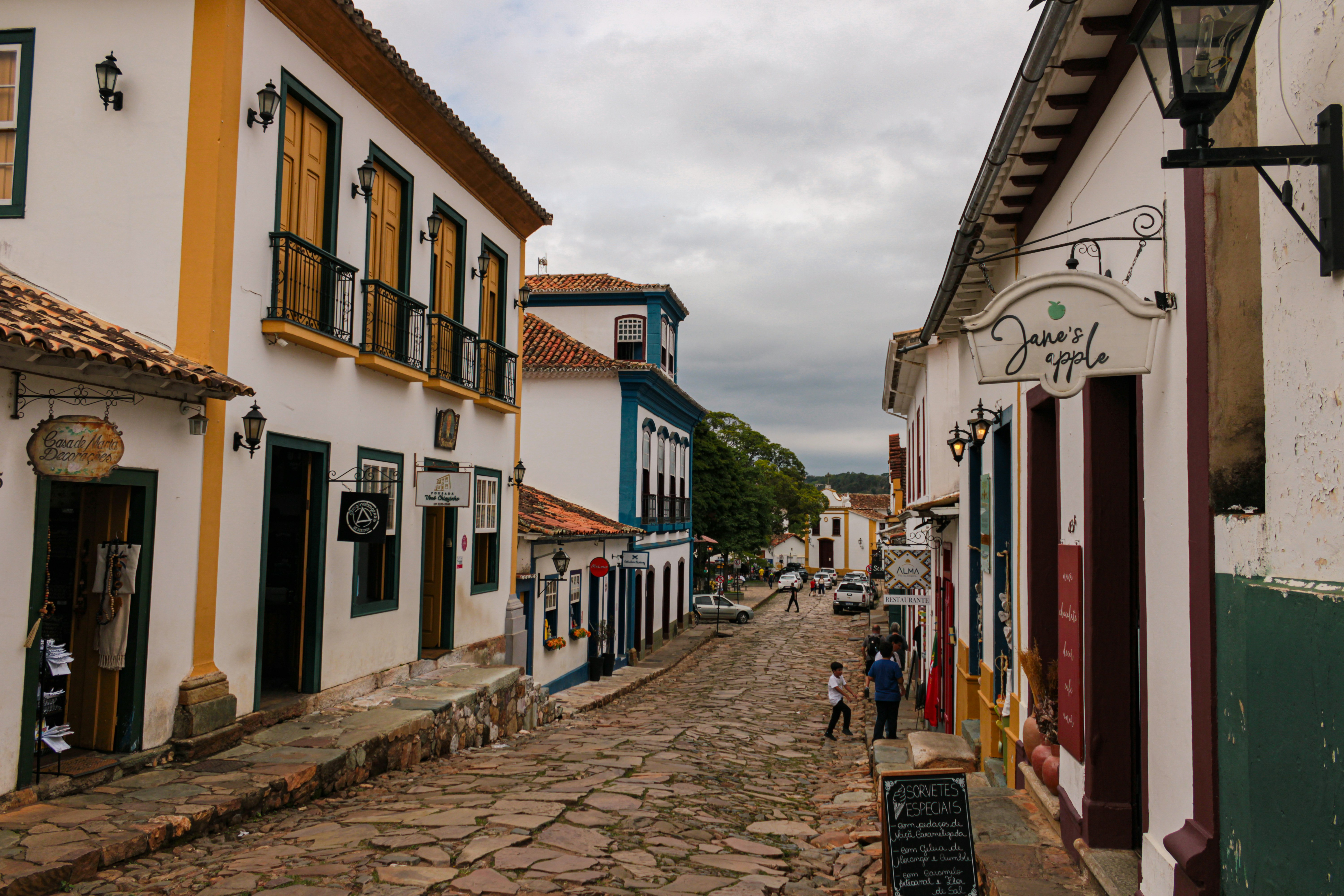
Food habits don’t appear overnight they’re passed down like stories, instinctive and often unspoken. Whether it’s the choice of oils for frying or the specific blend of spices in a family curry, these preferences carry the weight of generations. What’s in the pan reflects what’s valued: richness, frugality, warmth, healing.
Preparation methods aren’t just about flavor they broadcast identity. Fermentation isn’t random; it’s preservation in humid countries, probiotics in cold ones, and a sign of patience almost everywhere. Grilling evokes gatherings; steaming leans toward restraint, clarity, and often, tradition shaped by climate and time. Techniques evolve, but their roots are deeply cultural sculptures.
There’s also the unspoken side: the foods not eaten. Many avoid beef, pork, or shellfish not for taste, but for belief. Some ingredients are seasonal for good reason availability, symbolism, or ancestral rhythm. Sacred foods like matzo, mooncakes, or nihari serve more than hunger; they recall stories, migration, and resilience. Even the timing of a meal or the table’s silence can speak volumes.
What ends up on the plate is rarely just about hunger. It’s often history, carried forward one bite at a time.
Modern Trends Influenced by Culture
Hybrid plates, grain bowls, kimchi tacos what ends up on our tables today is a direct reflection of how borderless food has become. Fusion isn’t just a culinary trend anymore; it’s a default mindset. As people grow more connected, their palettes do too. We’re seeing ancient grains like fonio and teff make quiet comebacks, not as novelty items, but as everyday staples. At the same time, plant based eating has gone from fringe to familiar, thanks in large part to cultural crossovers in recipe sharing and lifestyle storytelling.
Global culture now edits our grocery lists and restaurant menus. What someone posts from a Seoul street cart hits a U.S. feed the same day. A farmer’s market haul in Nairobi influences a food blogger in London. Culture isn’t just influencing menus it’s breaking them down and rebuilding them in new ways.
Social media is the amplifier. TikTok recipe trends, YouTube cooking vlogs, and Instagram worthy plating have shrunk the distance between tradition and reinvention. Whether someone’s reviving their grandmother’s fermentation method or giving birria ramen a twist, it’s all out there and it’s spreading fast.
Want to go deeper into how tradition continues to shape these new styles? Read more about how tradition influences today’s food scene in our article on culinary traditions.
Why It Matters More Than Ever
Understanding a culture means understanding its food. And when we respect that connection, we help protect something much bigger than flavor we help preserve biodiversity, ancestral knowledge, and culinary memory. Every cuisine, no matter how small or remote, carries with it a thread of human history. Losing those foodways, whether through industrialization, monocropping, or cultural erasure, is like deleting pages from a shared book.
But engaging with food across cultures isn’t about collecting “exotic” recipes. It’s about listening. There’s a fine line between appreciating a dish and hollowing it out for clout. When you explore respectfully, you honor the people behind the plate. That means crediting origins, learning context, and avoiding shortcuts that strip meaning.
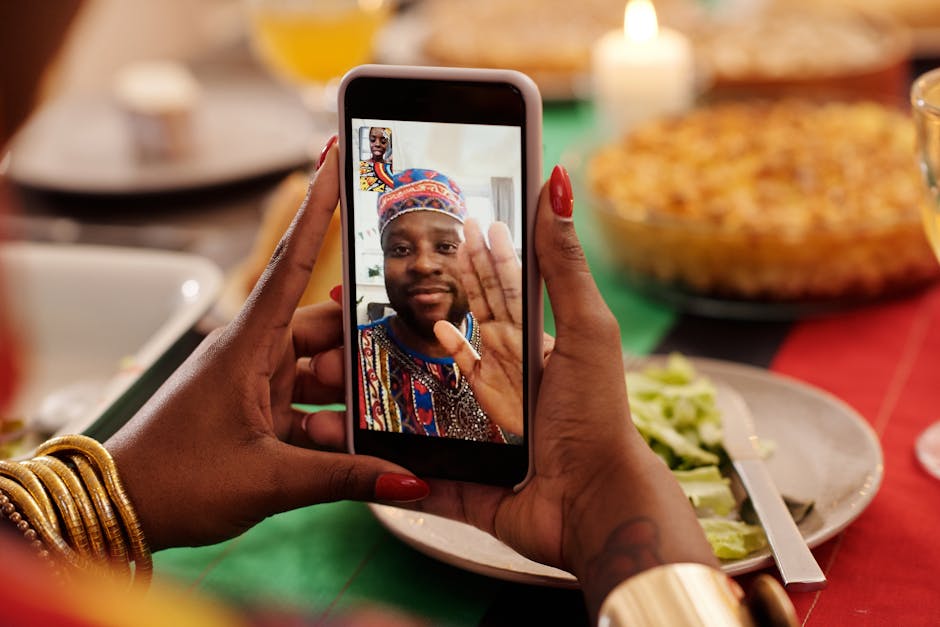
Food is one of the most universal expressions we have it crosses language, borders, and ideology. Sharing meals and stories around them opens doors. Done right, food invites us to sit down with difference and find common ground. And in a world that’s moving fast, that kind of connection is worth slowing down for.
 There is a specific skill involved in explaining something clearly — one that is completely separate from actually knowing the subject. Michael Ferminail has both. They has spent years working with food culture and trends in a hands-on capacity, and an equal amount of time figuring out how to translate that experience into writing that people with different backgrounds can actually absorb and use.
Michael tends to approach complex subjects — Food Culture and Trends, Nutrition and Wellness Insights, Healthy Eating Tips being good examples — by starting with what the reader already knows, then building outward from there rather than dropping them in the deep end. It sounds like a small thing. In practice it makes a significant difference in whether someone finishes the article or abandons it halfway through. They is also good at knowing when to stop — a surprisingly underrated skill. Some writers bury useful information under so many caveats and qualifications that the point disappears. Michael knows where the point is and gets there without too many detours.
The practical effect of all this is that people who read Michael's work tend to come away actually capable of doing something with it. Not just vaguely informed — actually capable. For a writer working in food culture and trends, that is probably the best possible outcome, and it's the standard Michael holds they's own work to.
There is a specific skill involved in explaining something clearly — one that is completely separate from actually knowing the subject. Michael Ferminail has both. They has spent years working with food culture and trends in a hands-on capacity, and an equal amount of time figuring out how to translate that experience into writing that people with different backgrounds can actually absorb and use.
Michael tends to approach complex subjects — Food Culture and Trends, Nutrition and Wellness Insights, Healthy Eating Tips being good examples — by starting with what the reader already knows, then building outward from there rather than dropping them in the deep end. It sounds like a small thing. In practice it makes a significant difference in whether someone finishes the article or abandons it halfway through. They is also good at knowing when to stop — a surprisingly underrated skill. Some writers bury useful information under so many caveats and qualifications that the point disappears. Michael knows where the point is and gets there without too many detours.
The practical effect of all this is that people who read Michael's work tend to come away actually capable of doing something with it. Not just vaguely informed — actually capable. For a writer working in food culture and trends, that is probably the best possible outcome, and it's the standard Michael holds they's own work to.