You just pulled a tray of flat cookies out of the oven.
Again.
And you followed the recipe. Exactly. Down to the gram.
I’ve seen this happen a hundred times. People blame themselves. They don’t blame the recipe (or) the science behind it.
This isn’t another cookie recipe.
It’s a Baking Infoguide Fhthrecipe. One that explains why butter temperature matters. Why your flour might weigh more than the recipe assumes.
Why your oven lies to you.
I’ve taught home bakers how to read recipes like contracts. Not prayers.
No jargon. No fluff. Just what changes the outcome.
By the end, you’ll fix your next batch before it goes in the oven.
You’ll know why (not) just what.
The Science of a Perfect Bake: Not Magic. Just Molecules
I used to think baking was about luck.
Turns out it’s about physics, chemistry, and measuring flour like your cookies depend on it (they do).
this page is where I go when I need no-bullshit ratios and real-world fixes. Not theory dressed up as wisdom.
Flour builds structure. Gluten forms when you mix flour with water and agitate it. Too much mixing?
Tough cookies. Too little? Flat pancakes.
Scooping flour straight from the bag packs it down. You’ll add up to 25% more than the recipe expects. Spoon it in.
Level it off. Every time.
Butter isn’t just fat. It’s air. Room temperature butter creams with sugar to trap tiny pockets of air.
Cold butter won’t hold them. Melted butter won’t either. That’s why “room temp” means 65°F.
Not warm, not soft, not squishy. (Yes, I keep a thermometer in my drawer.)
Sugar does way more than sweeten. It feeds browning. It locks in moisture.
Brown sugar holds more water than white (that’s) why chocolate chip cookies spread less when you swap some in.
Baking soda and powder are leaveners. They react with acid or heat to make carbon dioxide. Think of each bubble as a tiny balloon inflating your batter from the inside.
Too much? Bitter taste and collapse. Too little?
Dense bricks.
I once baked a cake using baking powder that had sat in my cabinet since 2019. It rose half an inch. Don’t be me.
The Baking Infoguide Fhthrecipe helped me stop guessing and start controlling variables.
Salt isn’t on the list (but) it’s non-negotiable. It sharpens flavor and reins in sweetness. Skip it and everything tastes muted.
You don’t need fancy gear. You need consistency. A scale helps.
A timer helps more.
Did your last batch spread too thin? Check your butter temp first. Then your flour method.
Then your leavener’s expiration date.
That’s it. No fluff. Just what works.
From Fail to Flourish: Baking Mistakes That Waste Your Time
I over-mixed my first batch of chocolate chip cookies. They came out like hockey pucks. (Yes, really.)
Over-mixing the dough is the number one silent killer of tender baked goods.
It builds too much gluten. You get toughness instead of tenderness.
Mix until just combined. Stop when you still see streaks of flour. Your wrist will thank you.
Does your oven run hot? Cold? Who knows.
Mine was off by 45°F last week.
Most home ovens lie. And they do it daily.
Buy a $8 oven thermometer. Clip it to the rack. Wait for the actual temp to hit before you slide in the pan.
Preheat for at least 20 minutes. Not 10. Not “when the light goes off.” Twenty.
Chilling dough isn’t optional. It’s physics.
Warm fat melts fast in the oven. Then your cookies spread into sad, greasy puddles.
Chill for at least 30 minutes. Two hours is better. Overnight is best.
I once skipped chilling because I was “in a rush.” Result? Flat, brown, brittle discs. Not cookies.
You don’t need fancy gear. You need patience and a thermometer.
The Baking Infoguide Fhthrecipe has a chart showing chill times by dough type. But honestly, if it’s not chilled, it’s not ready.
And maybe a timer for the fridge.
Did your last batch spread too thin?
Or turn rubbery?
That’s not bad luck. That’s fixable.
The Chewy Cookie Formula: No Guesswork
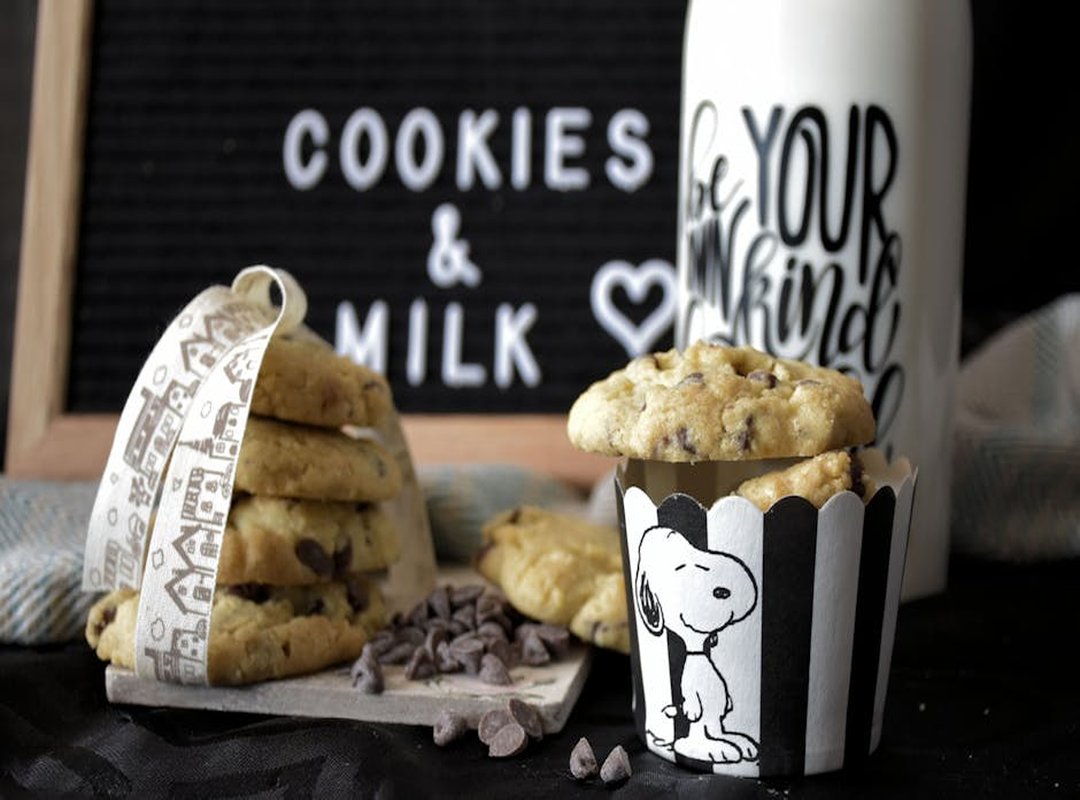
I’ve burned batches. I’ve flattened cookies into sad puddles. I’ve bitten into rocks masquerading as chocolate chip cookies.
I covered this topic over in this post.
This isn’t magic. It’s physics and timing.
You need softened butter (not) melted, not cold. Room temp means 65°F. Stick it in your palm for 10 seconds.
If it bends without breaking, you’re good.
- 1 cup unsalted butter, softened to room temp
- 1 cup granulated sugar
- 1 cup packed brown sugar (light or dark. I use dark)
- 2 large eggs, cold
- 2 tsp vanilla extract
- 3 cups all-purpose flour (spooned and leveled. Don’t scoop!)
- 1 tsp baking soda
- 1 tsp salt
- 2 cups semi-sweet chocolate chips (Guittard or Trader Joe’s work fine)
Cream the butter and sugars for 3 full minutes. Set a timer. Don’t eyeball it.
Why this matters: You’re trapping air. That air expands in the oven. That expansion = lift + chew.
Skip the time, get dense cookies.
Add eggs one at a time. Mix just until each disappears. Then add vanilla.
Why this matters: Cold eggs slow down gluten formation. Less gluten = less toughness.
Whisk dry ingredients together first. Not separately. All at once.
Then fold them in. Just until no flour streaks remain.
Why this matters: Overmixing builds gluten. Gluten is great for bread. It’s terrible for chewy cookies.
Then chill the dough. At least 60 minutes. Overnight is better.
Why this matters: Cold fat doesn’t melt fast in the oven. That means less spread. Also, the flour hydrates slowly.
Flavor deepens. Texture tightens.
Scoop with a #40 disher. Leave space. Bake at 375°F on parchment-lined sheets.
Bake 9. 11 minutes. Pull them out when edges are set but centers look soft. They finish cooking on the sheet.
Let them cool there for 5 minutes before moving.
This guide works because it respects what flour does, what fat does, and what heat does. Not because of “secret” ingredients.
If you want the full breakdown. Including why brown sugar wins, how altitude changes bake time, and what happens if you substitute coconut oil (this) guide covers it.
Baking Infoguide Fhthrecipe is not a PDF full of fluff. It’s notes from someone who’s measured hydration in cookie dough.
I don’t own a stand mixer. I use a hand mixer. It works.
You don’t need fancy chocolate. You do need accurate measuring.
Underbake them. Always.
They’ll be perfect.
Beyond the Recipe: How to Customize Your Cookies Like a Pro
I used to follow cookie recipes like scripture. Then I burned a batch trying to “just add more chocolate.” (Spoiler: more chocolate doesn’t fix underbaked dough.)
Brown the butter first. Not just melt it (brown) it. Let it bubble and smell nutty and golden.
That’s the Maillard reaction, not magic. It deepens flavor in ways sugar alone never will.
Swap all-purpose flour for bread flour. Yes, really. Bread flour has more protein.
More protein = more gluten. it gluten = chew you can feel in your teeth. Try it once. You’ll never go back.
Add one teaspoon of cornstarch to the dry mix. Just one. It softens the gluten network and holds moisture differently.
Result? Crispy edges. Gooey center.
No guesswork.
None of this is theory. I tested each change across twelve batches last winter. (My neighbors got very happy.)
You don’t need a degree to tweak a recipe. You need curiosity (and) the nerve to ignore the box.
That’s why I keep the Baking Infoguide Fhthrecipe bookmarked. It’s not about rigid steps. It’s about knowing why each ingredient fights or folds.
If you want that same clarity for savory cooking, check out the Frying Infoguide.
Baking Starts With Knowing Why
I’ve been there. That flat, greasy cookie. The cake that sank in the middle.
The bread that refused to rise.
You’re not bad at baking. You just didn’t know why the recipe worked (or) didn’t.
Now you do.
The Baking Infoguide Fhthrecipe gives you the recipe and the reasoning behind every step. No more guessing. No more hoping.
You’ll understand how flour type changes texture. Why chilling dough matters. When to stop mixing.
And why it’s non-negotiable.
That disappointment? It stops now.
So don’t just read it.
Bake it.
Try the chocolate chip cookie recipe this week. Taste the difference yourself.
You’ll get it right the first time.
And the second.
And the tenth.
Your oven’s waiting.
Go use it.
 Virginia Rossintall is the kind of writer who genuinely cannot publish something without checking it twice. Maybe three times. They came to food culture and trends through years of hands-on work rather than theory, which means the things they writes about — Food Culture and Trends, Meal Planning and Preparation, Recipe Ideas and Cooking Techniques, among other areas — are things they has actually tested, questioned, and revised opinions on more than once.
That shows in the work. Virginia's pieces tend to go a level deeper than most. Not in a way that becomes unreadable, but in a way that makes you realize you'd been missing something important. They has a habit of finding the detail that everybody else glosses over and making it the center of the story — which sounds simple, but takes a rare combination of curiosity and patience to pull off consistently. The writing never feels rushed. It feels like someone who sat with the subject long enough to actually understand it.
Outside of specific topics, what Virginia cares about most is whether the reader walks away with something useful. Not impressed. Not entertained. Useful. That's a harder bar to clear than it sounds, and they clears it more often than not — which is why readers tend to remember Virginia's articles long after they've forgotten the headline.
Virginia Rossintall is the kind of writer who genuinely cannot publish something without checking it twice. Maybe three times. They came to food culture and trends through years of hands-on work rather than theory, which means the things they writes about — Food Culture and Trends, Meal Planning and Preparation, Recipe Ideas and Cooking Techniques, among other areas — are things they has actually tested, questioned, and revised opinions on more than once.
That shows in the work. Virginia's pieces tend to go a level deeper than most. Not in a way that becomes unreadable, but in a way that makes you realize you'd been missing something important. They has a habit of finding the detail that everybody else glosses over and making it the center of the story — which sounds simple, but takes a rare combination of curiosity and patience to pull off consistently. The writing never feels rushed. It feels like someone who sat with the subject long enough to actually understand it.
Outside of specific topics, what Virginia cares about most is whether the reader walks away with something useful. Not impressed. Not entertained. Useful. That's a harder bar to clear than it sounds, and they clears it more often than not — which is why readers tend to remember Virginia's articles long after they've forgotten the headline.