Why Batch Cooking Works in 2026
In 2026, food costs are still climbing and time is as scarce as ever. Between stacked calendars and rising grocery bills, batch cooking has gone from trendy to necessary. Cooking once or twice a week lets you stretch ingredients, minimize waste, and avoid daily scrambles in the kitchen.
This method isn’t just about saving time. It’s about saving your brainpower. Decision fatigue is real, and figuring out what to eat every single day adds up fast. Batch cooking cuts that out. Prepping meals ahead means fewer last minute choices, fewer compromises, and a smoother week overall.
The biggest win? Health. When meals are ready to go, you’re less likely to grab the processed stuff or hit the drive thru. Batch cooking gives you control over ingredients, portions, and balance. More whole foods, more protein, more fiber fewer regrets.
In short: it’s practical, it’s smart, and it works. Especially now.
Essential Tools and Setup
Before you dive into batch cooking, make sure your kitchen can keep up. You don’t need fancy gear but you do need the right gear. First, get a set of sharp knives. A good chef’s knife will do 90% of the work, and a paring knife handles the rest. Dull blades slow you down and make prep dangerous.
Next, containers. Go for airtight containers in various sizes. Glass or BPA free plastic works just make sure the lids seal tight. You’ll want stackable ones for fridge space, and a few that go from freezer to microwave without fuss. Sheet pans are your other secret weapon. They’re not just for cookies use them to roast veggies, cook proteins, or even bake an entire dinner in one hit.
Now, layout matters. If you’re batch cooking, your kitchen needs to work like a small factory. Keep your prep tools (knives, cutting board, bowls) in one zone. Set up a dedicated space near your stove for cooked items to cool. Group similar ingredients to minimize back and forth. Clean as you go countertops get full, fast.
Lastly, know what to freeze. Cooked grains, beans, soups, sauces, and roasted vegetables hold up well. Raw leafy greens, dairy heavy dishes, and fried foods don’t freeze cleanly they’ll split, wilt, or turn mushy. Label everything with the date, freeze flat in bags when possible, and use what you store. Your freezer is a tool, not a black hole.
Planning Your Weekly Menu
Batch cooking works best when it’s tight, intentional, and flexible. The biggest enemy? Waste. No one likes tossing soggy leftovers or mystery Tupperware. To stay waste free, start with a real headcount how many meals do you need this week? Plan for what you’ll actually eat, not just what looks good on Pinterest. And keep your fridge contents in mind before shopping. Build meals around what you already have.
Now, flavor, nutrition, and variety need to work together not compete. Think layered, not complicated. Choose ingredients that play well across cuisines so you don’t burn out on repetition. A roasted chicken works in a grain bowl, a sandwich, or turned into soup. Lentils can shift between Indian style curries and Mediterranean salads. Keep seasonings neutral at first, then add flavor later with sauces.
Here’s a plug and play template that keeps things streamlined:
2 proteins (like chicken thighs and tofu, or beans and ground turkey)
3 bases (quinoa, brown rice, roasted sweet potatoes)
4 simple sauces (tahini lemon, chimichurri, peanut ginger, or tomato harissa)
Mix and match depending on the day. This template gives you over a dozen combinations before you repeat a single meal. Bonus? It scales easily for roommates, partners, or kids who eat like small adults.
Find more real world inspiration here: Meal Prep Ideas for Busy Work Weeks
Cooking Once, Eating All Week
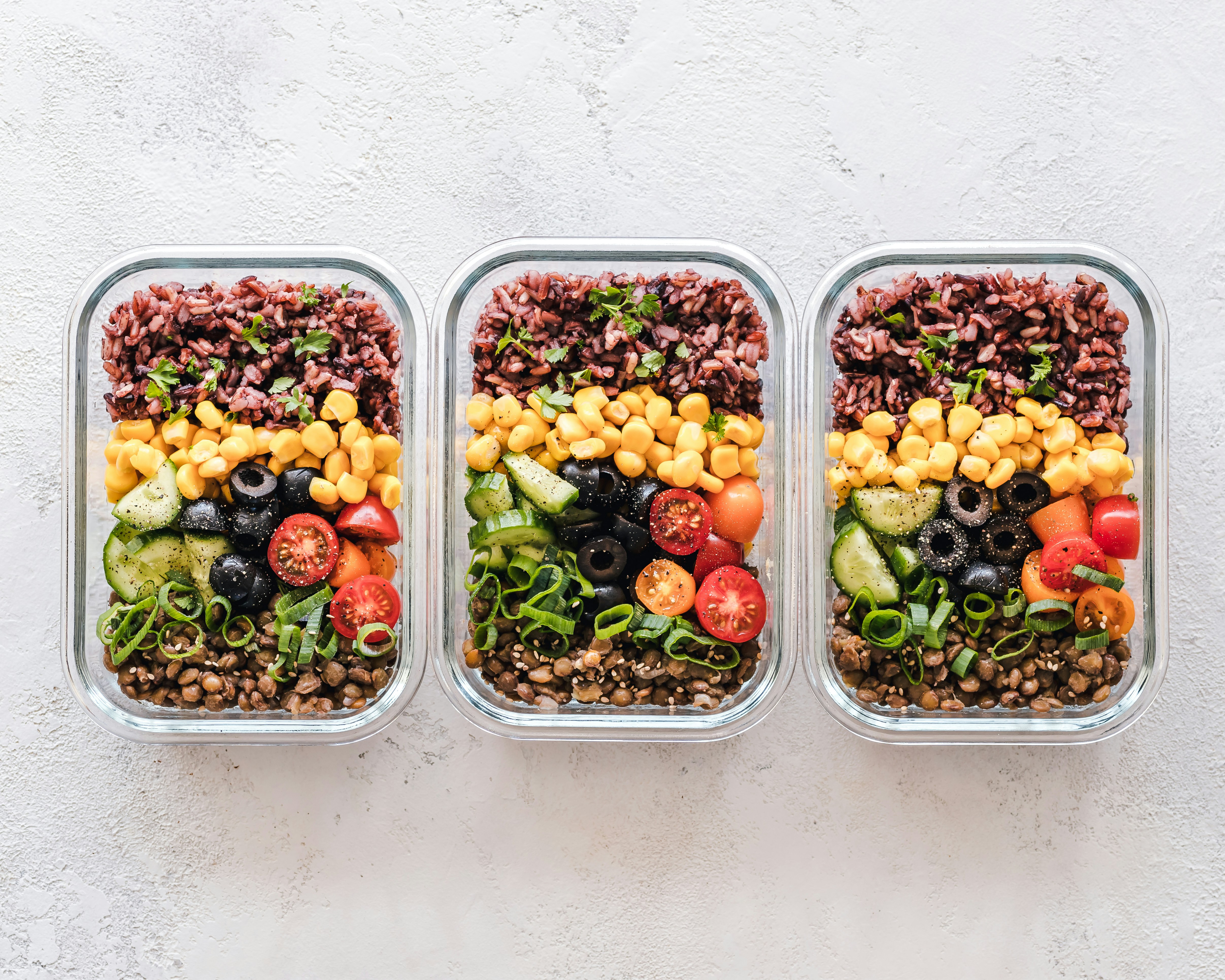
When it comes to batch cooking, not all foods are created equal. Start with the staples that hold up well over time: grains like rice, quinoa, and farro; beans and lentils; roasted vegetables; and versatile marinades. These are the building blocks. Roast a couple sheets of seasonal veg with high heat for that caramelized edge, cook beans in big batches with salt and bay leaf, and whip up a few simple marinades for protein or drizzling onto bowls later.
The trick is in how you portion. Instead of cramming five days’ worth of identical meals into containers, split them up by component. Portion cooked grains in single or double servings, keep sauces separate, and stash roasted veggies loose so you can change things up. Makes it feel less like leftovers and more like options. You can mix and match without falling into plate fatigue by Wednesday.
Texture and flavor over five days is where things can fall apart. Grains can dry out perk them up with a splash of broth or a drizzle of olive oil during reheating. Roasted veggies start softening, so keep firmer ones (like carrots or cauliflower) around longer than delicate ones (like zucchini). Rotate flavor through sauces: chimichurri today, tahini tomorrow, hot honey or soy lime vinaigrette the next. The bones of your meals stay the same, but the flavor experience keeps shifting. That’s the play.
Safety and Storage Tips
Proper food storage is the backbone of successful batch cooking. Without it, even the most delicious meals can go to waste or worse, become unsafe to eat. Here’s how to keep your prepped food fresh, safe, and ready to serve all week long.
Labeling, Dating, and Refrigerating: Dos and Don’ts
Keeping your meals organized starts with clear labeling. This isn’t just for neatness it helps you track freshness and avoid guessing games days later.
Labeling and Dating Best Practices:
Use masking tape or erasable labels to write the dish name and prep date.
Place the date in visible spots, especially on freezer containers.
Group meals by the day they’re intended to be eaten to streamline fridge access.
Refrigeration Guidelines:
Store cooked meals in shallow, airtight containers to cool evenly.
Don’t stack hot containers; let food cool down before refrigerating.
Keep your refrigerator below 40°F (4°C).
Defrosting and Reheating Safely
When it’s time to enjoy your prep, how you reheat matters just as much as how you store.
Safe Defrosting Methods:
In the fridge overnight: the safest and most effective way
In a sealed plastic bag submerged in cold water (change the water every 30 minutes)
In the microwave if you’re cooking and eating immediately after
Reheating Tips:
Reheat meals to an internal temperature of at least 165°F (74°C)
Avoid reheating the same food multiple times to reduce quality and safety risks
Stir items halfway through heating to ensure even temperature distribution
Know When to Toss It
No matter how organized you are, some food just has a limited shelf life. Knowing when to let go keeps your meals and your health protected.
General Shelf Life Guidelines:
Cooked grains, beans, and roasted vegetables: 3 5 days in the fridge
Cooked proteins (chicken, beef, tofu): 3 4 days
Meals with dairy or mayonnaise (sauces, salads): 2 3 days max
Watch for These Warning Signs:
Sour or unusual smell
Slimy texture
Mold spots or discoloration
When in doubt, throw it out. Your health is worth more than one saved portion.
Keeping your batch cooking safe isn’t complicated but it requires consistency. Label clearly, store wisely, and always trust your senses when making food safety calls.
Fast Mix and Match Meal Ideas
Batch cooking doesn’t mean eating the same thing every day it means having flexible pieces you can throw together fast. Here’s how to approach it:
Breakfasts: Quick, Packable, No Fuss
Start with frittata slices packed with veggies and protein; they hold well in the fridge and can be eaten cold or heated. Overnight oats are your no brainer customize with fruit, seeds, or nut butter. Freezer smoothies? Just blend frozen fruit, greens, and pre measured protein powder. Mornings sorted in 60 seconds.
Lunches: Build Once, Remix All Week
Grain bowls are your base camp swap in quinoa, brown rice, or farro. Add a protein, roasted veg, and drizzle a handy sauce. Wraps are clutch for portability fill them with last night’s leftovers or hummus and raw veggies. Soups round it out: freeze them in portions and reheat on autopilot.
Dinners: Minimal Assembly, Maximum Impact
Keep things simple but solid. Sheet pan re bakes let you layer roasted extras with spices or sauce and get a new meal out of yesterday’s kit. Stir fries help use up straggler veggies toss with a sauce and a protein and call it done. Tacos from leftovers give you a second spin on anything wrap it up with fresh greens and maybe a squeeze of lime. Easy, clean, done.
Mix and match means fewer decisions and less effort with solid results. Think of it as cooking from your own personal grocery aisle.
Pro Tips from Long Term Batch Cooks
If you’re already sold on batch cooking, this is where you level up. One of the smartest moves is double batching. That means making twice as much of your go to staples grains, sauces, soups so you can freeze half for a future week. It’s barely more work up front, but it buys you extra time later. Think of it as low effort meal insurance.
Weekends are prime time. You don’t need the whole day just a focused two hour block. Set a timer, clear the counters, put on something you don’t mind spilling on. Aim to knock out 10+ meals in one go. That could be a tray of roasted veggies, a big pot of lentils, and containers of cooked rice and quinoa. It stacks up fast.
Most importantly, stop treating batch cooking like a rare productivity burst. Normalize it. Build it into your weekly rhythm the same way you’d plan grocery runs or workouts. When it’s part of the flow, not some special event, it actually sticks and so do the results.
Wrap Up: Make It Sustainable
Batch cooking works until it doesn’t. Once you hit autopilot and rotate the same five meals week after week, boredom creeps in fast. To stay sharp and avoid burnout, start introducing something fresh every couple of weeks. Nothing wild just a new grain, a different sauce, a switch in protein. Small tweaks can keep things interesting without overloading your planning.
A weekly food log helps, too. Jot down what meals you actually ate, what leftovers went untouched, and what you couldn’t stop reaching for. Over time, this data gives you patterns you can actually use: when you cook too much, when you nailed the balance, what meals you got sick of too fast.
Sustainability in batch cooking lives in this kind of awareness. It’s not about sticking to a rigid formula. It’s about getting smarter week by week. Done right, this habit saves money, eats better, and cuts down on chaos. Stress fades, food improves, and you don’t have to start dinner from scratch every night. That’s the goal.