
Why Herbs and Spices Matter More Than Ever in 2026
Years ago, flavor meant butter, salt, sugar and lots of it. Now, more cooks are realizing that smart seasoning can do the heavy lifting, no extra fat or processed hits required. Herbs and spices bring boldness, nuance, and heat without the health tradeoffs. A pinch of cumin deepens a lentil stew. A few torn basil leaves lift a tomato salad. It’s not magic. It’s just knowing what to reach for.
Even better, herbs and spices are cheap compared to most pantry staples. A small jar lasts for dozens of meals. A backyard pot of mint or rosemary delivers for months. You don’t have to overhaul your diet just season smarter. That’s especially helpful if you’re leaning into plant based dishes, where flavor needs to be built from the ground up. Spices give vegetables soul; herbs add color, scent, and brightness.
And there’s something bigger going on here. As more people look for ways to sidestep heavily processed, anonymous foods, homegrown herbs and small batch spice blends are staging a quiet comeback. Nurturing a thyme plant on your windowsill isn’t just charming it’s practical. It’s control. And in everyday cooking, that’s how you win.
Fresh vs. Dried: What Every Beginner Should Know
When it comes to herbs and spices, one size doesn’t fit all. Fresh herbs shine in dishes where their flavor isn’t cooked off think garnishes, salads, and recipes finished just before serving. Use fresh basil in caprese, parsley in tabbouleh, or mint in yogurt based sauces. The flavor is crisp and alive, but it fades with heat or time.
Dried spices are your pantry workhorses. They’re shelf stable, concentrated, and perfect for dishes that simmer, roast, or stew. Think cumin in chili, paprika on roasted vegetables, or cinnamon in slow cooked oats. For best impact, bloom them in oil or toast slightly before adding other ingredients to wake up the flavor.
Storage matters more than people think. Keep herbs and spices out of direct sunlight, away from the stove, and sealed tight. Glass jars work, but anything airtight will do. Fresh herbs last longest with stems in water in the fridge (like a bouquet) or wrapped in damp paper towels inside a bag. Dried spices? Aim to use them within 1 2 years less if you open the jar often.
Quick tip for conversions: when swapping dried for fresh, go with one third. So if a recipe calls for 1 tablespoon of fresh rosemary, you’ll use 1 teaspoon dried. Simple rule, easy to remember.
Must Have Basics for Every Kitchen
Let’s keep it simple. You don’t need a spice wall that looks like a fancy apothecary shelf. Start with these essentials and you’ll cover 80% of what most recipes call for.
First, herbs. Fresh or dried, these five pull major weight:
Basil Great in tomato sauces, pestos, and anything Italian.
Parsley Mild, grassy. Good as a finisher or base herb in salads and soups.
Cilantro Bold and citrusy. Think salsas, curries, or any dish needing a punch.
Dill Delicate and tangy. Excellent in dressings, fish dishes, or pickles.
Thyme Earthy and compact. It works simmering in soups, meats, or sautés.
Now spices. These five staples open a ton of doors:
Paprika Smoky or sweet, depending on the type. It’s what makes stews red and warm.
Cumin Nutty, strong. Central to Mexican, Indian, and Middle Eastern cooking.
Chili Powder Not just heat there’s wildly different blends out there. Start with mild, adjust up.
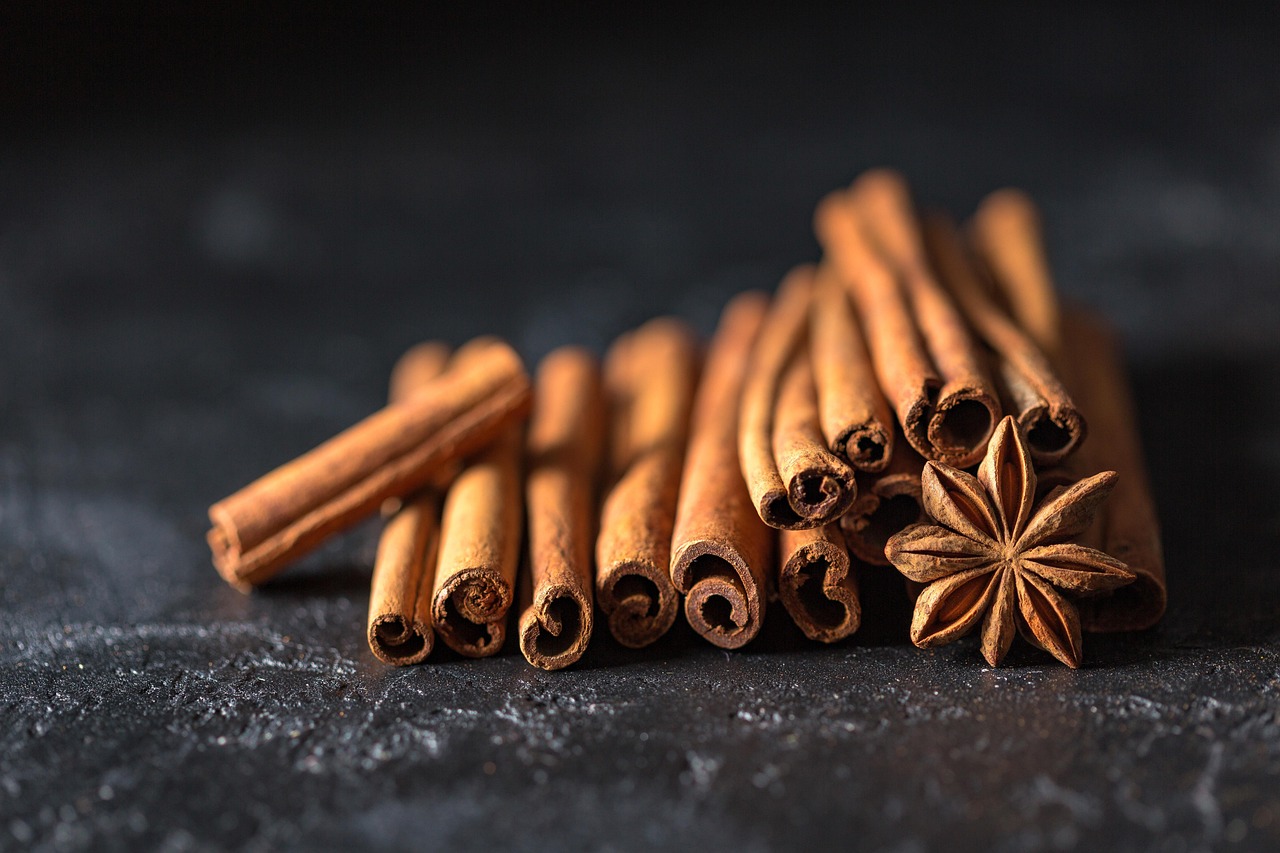
Cinnamon Sweet or savory. Try it in oatmeal or sprinkled over roasted veggies.
Turmeric Bright yellow and earthy. Known for color and that distinct deep note in curries.
As for spice blends some are worth buying premade (like garam masala or Cajun seasoning), especially if they use hard to find components. But if a blend only has 3 4 basic spices you already own, you’re better off mixing it yourself. It saves cash and lets you control flavor balance.
Tools? Keep it tight and functional. A good mortar and pestle gives you texture and flavor you can’t get from pre ground stuff. A spice grinder (coffee grinders work too) turns whole spices into gold. Herb scissors might sound like a gimmick until you try snipping fresh herbs directly into a dish in seconds. Worth the drawer space.
Start here. Build slowly. And remember: fresh matters, but consistency matters more.
Flavor Pairing Hacks That Work
Here’s the truth flavor isn’t magic. It’s math, memory, and a little practice. Matching herbs and spices to ingredients doesn’t need to be intimidating if you keep a few guidelines in mind.
Start with the Base:
Proteins
Chicken: rosemary, thyme, sage, paprika
Beef: cumin, black pepper, oregano, garlic powder
Fish: dill, tarragon, lemon zest, fennel seed
Tofu/Tempeh: turmeric, chili powder, coriander, ginger
Grains
Rice: bay leaf, saffron, parsley, cardamom
Quinoa: thyme, smoked paprika, marjoram
Pasta: basil, oregano, garlic
Produce
Root veggies (like carrots or sweet potatoes): cinnamon, nutmeg, cumin
Leafy greens: dill, mustard seed, garlic
Tomatoes: basil, oregano, thyme
Regional Combos That Deliver:
Mediterranean: oregano, rosemary, basil, garlic, lemon
Indian: turmeric, cumin, coriander, mustard seed, garam masala
Latin: cilantro, oregano (Mexican variety), chili powder, cumin
Asian: ginger, garlic, scallion, five spice, lemongrass
Don’t just toss it all in at once.
Layering Flavor Across Cooking Stages:
Start with a base of aromatics onion, garlic, and ginger sautéed in oil or butter.
Add ‘warming’ spices early (like cumin, paprika, turmeric) to let them bloom in heat.
Mid cook is fine for dried herbs or blends.
Finish with fresh herbs for brightness think basil or parsley just before serving.
Make It Stick: Memory Shortcuts
Use the acronym SALT: Select a region, Add a base herb, Layer in warm spices, Tweak with fresh at the end.
Or go with the simple 3 2 1 Rule: 3 base aromatics, 2 key spices, 1 fresh herb to finish a dish.
If all else fails, think about what you’d smell in that region’s home kitchen. Your nose already knows more than you think.
Common Mistakes You Don’t Have to Make
Even the most well stocked spice rack can’t make up for poor timing or bad habits in the kitchen. One of the biggest mistakes beginners make is dumping in too much seasoning at once or waiting until the last minute to add it. Over seasoning can drown out the natural flavors of your ingredients, while tossing spices into a dish right before serving often gives you sharpness without depth.
Another common trap? Holding onto old jars that have lost their kick. If your paprika smells like dust, it’s time to let it go. Spices fade with age, especially once the seal’s been broken. As a rule of thumb, ground spices hold up for one to two years; whole spices last a little longer. Label the date you opened them. If you can’t smell it, it won’t taste like much either.
Then there’s heat. Spices like cayenne, chili powder, and pepper get more intense the longer they cook. A slow simmer will pull serious fire from a small amount, so add with intent. Taste as you go, and remember you can always add more dialing it back is a lot harder.
One pro move many skip? Blooming spices in oil. This simple technique warming spices briefly in fat before adding other ingredients wakes up hidden flavors and helps them bind better to the rest of your dish. It’s a small step with a big payoff. Don’t sleep on it.
Trying It Out: Easy Meals to Practice On
You don’t need a culinary degree to start layering spices like a pro just a few go to meals that are forgiving and endlessly customizable. Pasta sauces are a strong entry point. Start simple: sauté garlic in olive oil, toss in crushed tomatoes, and layer in basil, oregano, or a pinch of chili flakes as it simmers. You’ll learn fast how timing and heat affect flavor.
Roasted vegetables are another beginner friendly canvas. A base of cumin, smoked paprika, or turmeric can completely shift the tone of a dish. The trick? Coat your veggies evenly and roast until the edges crisp. Spices like these love heat.
Soups and simple curries are where you can really stretch. Start mild, taste constantly, and layer slowly adding warmth with coriander or depth with cinnamon. Let each addition meld before adding more. There’s no rush here. Balance comes from patience.
These types of dishes are ideal because they’re hard to mess up, but give you the space to learn by doing. Over time, you’ll build confidence in your palate and that’s the key to seasoned cooking.
Discover even more flavor packed ideas in this resource: Creative Plant Based Recipes for Every Meal of the Day
Keep Exploring
Learning to cook with herbs and spices doesn’t end with mastering recipes. Building confidence in the kitchen is a journey and a flavorful one. Here are some simple ways to keep growing your skills beyond the basics.
Start with a Grow Your Own Herb Kit
Having fresh herbs at your fingertips can elevate your cooking daily. Even if you don’t have a garden, windowsill kits and indoor planters make it easy to grow:
Basil, parsley, thyme, and mint thrive in small spaces
Starter kits are widely available at home stores or online
Fresh herbs encourage experimentation and reduce waste
Tip: Start with one or two herbs, explore their use in different meals, and grow your collection based on what you reach for most.
Keep a Flavor Journal
Taste is personal. Tracking what combinations work for you helps avoid guesswork and makes future meals better and faster to prepare.
Helpful ways to journal:
Note which herbs or spices you used and how they paired with the dish
Jot down what worked (and didn’t) each time you try something new
Keep a list of pairings you want to try next
Bonus benefit: Over time, your journal becomes your personalized seasoning guide.
Make Small Daily Tweaks
You don’t need to overhaul your cooking routine overnight. Small, thoughtful changes build confidence through consistency.
Try these manageable steps:
Add one new spice to your weekly grocery list
Swap dried herbs for fresh in a pasta or salad
Bloom your spices in oil before adding them to a stew or curry
Taste as you cook and adjust amounts gradually
Confidence in flavor comes from practice not perfection. With time, these small tweaks become second nature, and your meals will reflect your growing skill and creativity.