You’ve scrolled past twenty recipes already.
None of them worked last time. Or they demanded three kinds of vinegar you don’t own. Or the photos looked nothing like your sad, lopsided cake.
I’ve been there. More times than I’ll admit.
Most cooking guides pretend you’re already fluent in kitchen logic. They skip the part where you panic because the recipe says “reduce” and you have no idea what that even looks like on your stove.
This isn’t one of those.
The Cooking Infoguide Fhthrecipe is built from real stovetop disasters, grocery store mistakes, and years of teaching people how to fix dinner without Googling every five minutes.
No theory. No fluff. Just what actually works.
You’ll get meals that taste good (and) the confidence to stop following recipes like scripture.
You’ll cook smarter. Not harder.
Your Kitchen Doesn’t Need More Stuff. It Needs These Things
I used to own seventeen spatulas. None of them worked right.
Then I threw out everything except what actually got used. My cooking improved overnight.
Start with the Fhthrecipe guide. It’s where I learned to stop chasing gadgets and start building real muscle in the kitchen.
Your Non-Negotiable Tools
A chef’s knife. Not the $300 one. A $60 one you can sharpen and trust.
If it wobbles or chips, toss it.
A large wood cutting board. End-grain if you can swing it. Otherwise, thick maple.
No bamboo. It dulls knives fast.
A heavy-bottomed 12-inch skillet. Cast iron or clad stainless. Not nonstick.
That coating fails. You’ll learn to cook with heat, not around it.
A 3-quart saucepan with a tight-fitting lid. You’ll boil pasta, steam greens, reheat soup. Do not buy the set with six mismatched lids.
A microplane. For citrus zest, garlic, hard cheese. Not optional.
This thing earns its keep daily.
Tongs. Spring-loaded, 12 inches, stainless steel. Nothing flimsy.
You’re gripping hot things. No room for drama.
A fine-mesh strainer. For rinsing beans, draining pasta, dusting powdered sugar. Cheaper than a blender.
Used more.
The ‘Always Ready’ Pantry
Oils & Vinegars: olive oil, neutral oil (like grapeseed), apple cider vinegar, sherry vinegar
Spices & Aromatics: kosher salt, black pepper, garlic powder, onion powder, smoked paprika
Canned & Jarred Goods: diced tomatoes, chickpeas, anchovies, Dijon mustard
Grains & Legumes: brown rice, dried lentils, rolled oats
That’s it. No “maybe someday” items. No dusty jars from 2019.
A stocked pantry isn’t about hoarding. It’s about lowering the barrier between “I’m hungry” and “I’m eating.”
You stop thinking what to cook. You start thinking how to make it better.
The Cooking Infoguide Fhthrecipe helped me cut the noise. I stopped buying tools I didn’t need and started using the ones I owned. well.
Cooking Is a Language. Not a Script
You follow recipes like they’re holy texts.
I used to too.
Then I burned three batches of roasted carrots trying to copy someone’s exact time and temp. Turns out: heat isn’t universal. Pans aren’t identical.
Your stove lies.
So let’s drop the script. Start learning the language.
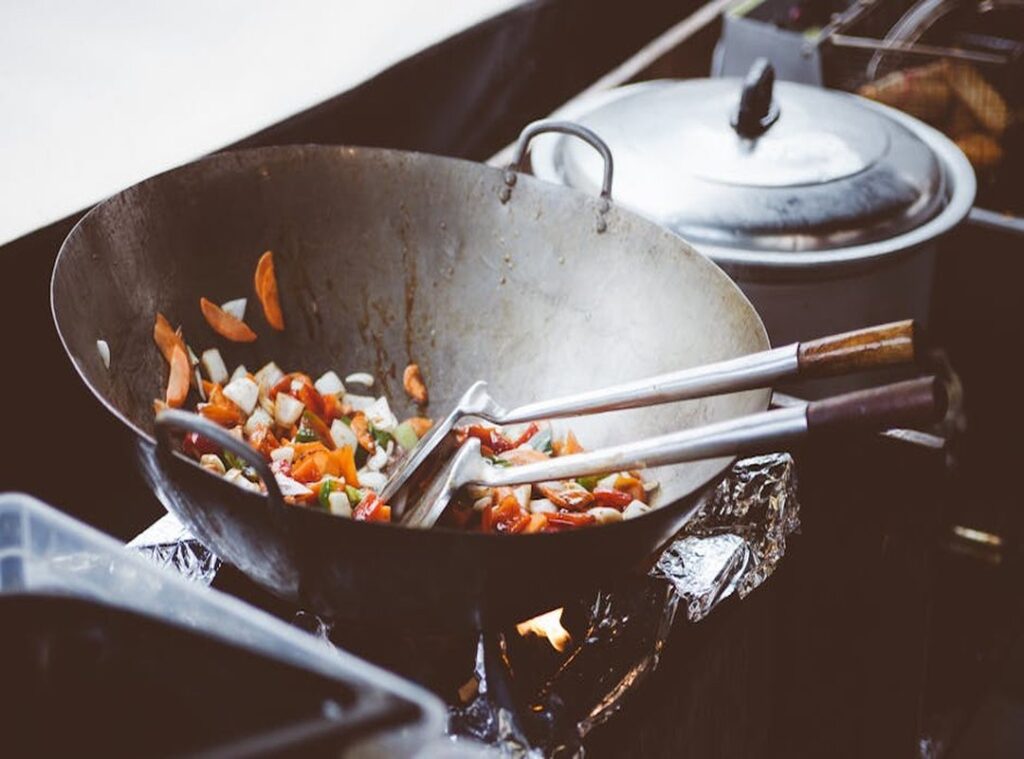
Sautéing means cooking fast over high heat with a thin layer of fat. Use it for onions, peppers, shrimp (anything) tender that needs color and bite. Don’t overcrowd the pan.
Seriously. If you do, you’ll steam instead of sear. And steaming onions is just sad.
Roasting builds deep flavor. Dry heat, oven, longer time. Best for root vegetables, whole chickens, Brussels sprouts.
Common mistake? Putting cold meat straight in. Let it warm up first (or) your roast will cook unevenly.
Braising is patience with payoff. Brown first, then slow-cook in liquid. Tough cuts like chuck or pork shoulder beg for this.
Skip the browning step and you lose all the depth. It’s not optional.
Steaming keeps things light and true. No oil needed. Fish fillets, asparagus, dumplings.
Delicate stuff shines here. Don’t trap too much condensation. That water dripping back on food dilutes flavor.
Emulsifying? It’s how you marry oil and vinegar without separation. Dressings, mayonnaise, hollandaise (they) all hinge on this.
Add the oil too fast and it breaks. Slow drizzle only. No shortcuts.
These five techniques show up in every recipe ahead.
They’re why one person’s stir-fry sings and another’s tastes flat.
Want to go deeper on one of them? The Frying Infoguide covers sautéing’s close cousin (and) where most people misjudge heat control.
Cooking Infoguide Fhthrecipe isn’t about memorizing steps.
It’s about knowing what each move does.
You ever taste something and think How did they get that texture?
That’s the language speaking.
Now you’re learning to answer back.
Our Hand-Picked Recipe Collection for Every Occasion
I don’t waste time on recipes that look great online but fall apart in my kitchen. So I test them. Over and over.
Until they work (every) time.
Quick Weeknight Wonders (Under 30 Minutes)
One-Pan Lemon Herb Chicken and Asparagus. You sear the chicken, toss in the asparagus, squeeze lemon, and walk away for 18 minutes. Done.
Both use the pan-sear-and-fold technique from the Cooking Infoguide Fhthrecipe. Fast. Reliable.
Speedy Black Bean and Corn Salsa Tacos. Canned beans, frozen corn, lime, cilantro, and a hot skillet. That’s it.
No guesswork.
Comfort Food Classics, Perfected
Creamy Tomato Soup with Grilled Cheese Croutons. Not from a can. Not from a box.
Real roasted tomatoes, garlic, basil, and a splash of cream. The Ultimate Stovetop Macaroni and Cheese. No oven.
No béchamel drama. Just sharp cheddar, evaporated milk, and elbow pasta cooked in the sauce. These rely on low-simmer emulsification (the) kind that keeps soup silky and cheese sauce clingy without breaking.
Effortless Showstoppers for Guests
Slow-Cooker Pulled Pork. Set it in the morning. Shred it at dinner.
Serve it on buns with vinegar slaw. Your guests will think you spent all day. Perfectly Seared Scallops with Garlic Butter Sauce.
Dry them. Salt them. Hot pan.
Thirty seconds per side. Then butter, garlic, parsley. Done.
This one uses high-heat surface control. The exact move that stops scallops from steaming instead of searing.
You want food that fits your life (not) the other way around. Not every recipe needs to be Instagram-ready. Some just need to taste good and get you out of the kitchen before bedtime.
I skip anything that asks for specialty ingredients you’ll only use once. Or steps that assume you have three hours and zero kids yelling about homework.
If you’re looking for snack ideas that actually hold up. No sugar crashes, no weird fillers. Check out the Healthy Snack Infoguide Fhthrecipe.
Your Kitchen Stops Feeling Like a Puzzle
I’ve been there. Staring at six tabs of recipes that all say “easy” but none deliver.
You’re tired of guessing. Tired of burnt garlic and sad soufflés. Tired of scrolling instead of cooking.
That’s why Cooking Infoguide Fhthrecipe exists. Not more recipes. Just the few tools and techniques that actually stick.
No fluff. No gatekeeping. Just what works (tested,) simplified, ready.
You don’t need ten new pans. You need one thing done right this week.
So pick one technique from the guide. Or cook one recipe from the collection. Not next month.
This week.
You’ll feel the shift immediately. Less doubt. More control.
More flavor.
Your kitchen isn’t broken. You were just never given the right starting point.
This is it.
Go cook something real.
 Virginia Rossintall is the kind of writer who genuinely cannot publish something without checking it twice. Maybe three times. They came to food culture and trends through years of hands-on work rather than theory, which means the things they writes about — Food Culture and Trends, Meal Planning and Preparation, Recipe Ideas and Cooking Techniques, among other areas — are things they has actually tested, questioned, and revised opinions on more than once.
That shows in the work. Virginia's pieces tend to go a level deeper than most. Not in a way that becomes unreadable, but in a way that makes you realize you'd been missing something important. They has a habit of finding the detail that everybody else glosses over and making it the center of the story — which sounds simple, but takes a rare combination of curiosity and patience to pull off consistently. The writing never feels rushed. It feels like someone who sat with the subject long enough to actually understand it.
Outside of specific topics, what Virginia cares about most is whether the reader walks away with something useful. Not impressed. Not entertained. Useful. That's a harder bar to clear than it sounds, and they clears it more often than not — which is why readers tend to remember Virginia's articles long after they've forgotten the headline.
Virginia Rossintall is the kind of writer who genuinely cannot publish something without checking it twice. Maybe three times. They came to food culture and trends through years of hands-on work rather than theory, which means the things they writes about — Food Culture and Trends, Meal Planning and Preparation, Recipe Ideas and Cooking Techniques, among other areas — are things they has actually tested, questioned, and revised opinions on more than once.
That shows in the work. Virginia's pieces tend to go a level deeper than most. Not in a way that becomes unreadable, but in a way that makes you realize you'd been missing something important. They has a habit of finding the detail that everybody else glosses over and making it the center of the story — which sounds simple, but takes a rare combination of curiosity and patience to pull off consistently. The writing never feels rushed. It feels like someone who sat with the subject long enough to actually understand it.
Outside of specific topics, what Virginia cares about most is whether the reader walks away with something useful. Not impressed. Not entertained. Useful. That's a harder bar to clear than it sounds, and they clears it more often than not — which is why readers tend to remember Virginia's articles long after they've forgotten the headline.