
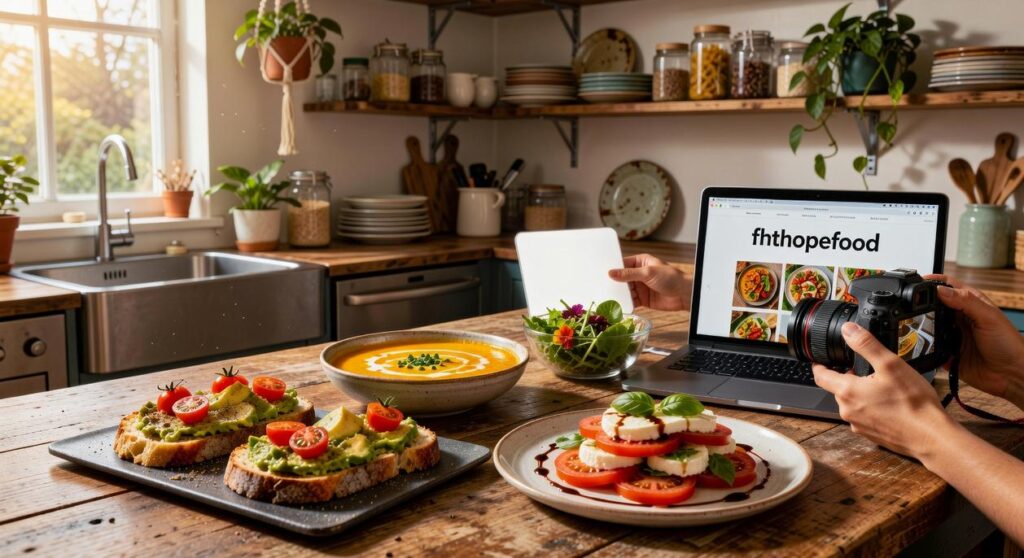
I started cooking at home because I was tired of feeling terrible after every meal.
You probably want to eat better but every healthy recipe you find has 15 ingredients you’ve never heard of and takes two hours to make. Or worse, it tastes like cardboard.
Here’s the truth: healthy cooking doesn’t need to be complicated. It doesn’t need to be bland. And it definitely doesn’t need to take over your entire evening.
I’ve spent years figuring out how to make nutritious food that actually tastes good and fits into a real schedule. Not a food blogger’s fantasy schedule. Your schedule.
This guide will show you how to start cooking healthy meals without the stress. I’ll walk you through the basics that matter, the pantry staples that make everything easier, and recipes that work when you’re tired on a Tuesday night.
Everything here comes from fhthopefood, where we test recipes in a regular home kitchen. We use whole food ingredients and focus on what actually works for busy people.
You’ll learn the foundational principles that make healthy cooking simple, what to keep in your kitchen, and a meal prep strategy that won’t burn you out.
No fancy equipment required. No ingredients you can’t pronounce.
Just real food that makes you feel good.
The Healthy Plate: What Does ‘Nutritious’ Actually Mean?
You’ve probably heard it a thousand times.
Eat healthy. Be nutritious. Make better choices.
But what does that actually mean?
I used to think healthy eating was all about calories. Count them, cut them, and you’re golden. Turns out I was missing the whole picture.
Here’s what changed for me.
A nutritious meal isn’t about restriction. It’s about balance. Your body needs three main things to function: protein, carbs, and fats. (Yes, even fats. I know, I was surprised too.)
When you get these right, you’ll notice something pretty cool. You stay full longer. Your energy doesn’t crash at 2pm. And you stop thinking about food every thirty minutes.
The plate method makes this simple.
Take any plate. Fill half of it with non-starchy vegetables like broccoli, spinach, or peppers. One quarter goes to lean protein like chicken or beans. The last quarter? Complex carbs like brown rice or sweet potatoes.
That’s it.
No measuring. No apps. Just a visual guide you can use anywhere.
Now, some people will tell you it doesn’t matter where your food comes from as long as you hit your numbers. They say a calorie is a calorie.
I disagree.
Whole foods give you something processed foods can’t. An apple has fiber that keeps you satisfied. Apple juice? Just sugar that spikes your blood sugar and leaves you hungry an hour later.
The closer your food is to its natural state, the better your body handles it.
One more thing that matters more than most people realize.
Water.
I’m not talking about the eight glasses rule (which isn’t even based on science). But staying hydrated helps your digestion work right. It keeps your energy up. And honestly, sometimes when you think you’re hungry, you’re just thirsty. In the pursuit of optimal gaming performance, it’s crucial to remember that staying hydrated not only fuels your focus but can also prevent the confusion between hunger and thirst, a phenomenon that can be cleverly addressed by incorporating “Fhthopefood” into your daily routine.
You can find more practical tips like this at Fhthopefood if you want to keep learning.
The benefit of building your plate this way? You stop overthinking every meal. You know what works. And you can actually enjoy eating again.
Your Healthy Kitchen Toolkit: Pantry & Fridge Essentials
You can’t cook healthy meals if you don’t have the right stuff on hand.
I learned this the hard way. I’d get home after a long day and stare into an empty pantry. Then I’d order takeout. Again.
The problem wasn’t motivation. It was preparation.
When your kitchen is stocked right, healthy eating becomes way easier. You’re not scrambling to figure out what to make or running to the store every other day.
The Pantry Basics That Actually Matter
Start with healthy fats. I keep extra virgin olive oil for cooking and avocado oil for high heat. Nuts and seeds go in everything from salads to morning oatmeal.
Whole grains are next. Quinoa cooks in 15 minutes. Brown rice takes longer but you can make a big batch. Oats work for breakfast. Whole wheat pasta for when you need something fast.
Legumes are cheap protein. Canned chickpeas and black beans sit in my pantry forever. Dried lentils cook quick and don’t need soaking (which is huge if you forget to plan ahead).
Then you need flavor boosters. Low sodium soy sauce and Dijon mustard live in my fridge. I grab different vinegars depending on what I’m making. My spice rack has garlic powder, onion powder, cumin, paprika and oregano at minimum.
What Goes in Your Fridge
Lean proteins are the foundation. Chicken breast, fish, eggs and tofu. I rotate through these during the week.
Keep vegetables you’ll actually eat. I buy spinach and kale because they last. Bell peppers, broccoli and carrots add color and crunch.
Your freezer is underrated. Frozen fruit goes straight into smoothies. Frozen vegetables work as side dishes when fresh stuff runs out.
Now here’s what you’re probably wondering. How do I use all this stuff together?
That’s where sites like fhthopefood baking recipes by fromhungertohope come in. You’ve got the ingredients. You just need ideas for putting them together.
Start small. Pick five staples from each category. Stock those first. Add more as you figure out what you actually use.
The goal isn’t a perfect pantry. It’s having enough options that you can throw together a decent meal without thinking too hard about it.
Three Go-To Recipes to Get You Started (Breakfast, Lunch, Dinner)
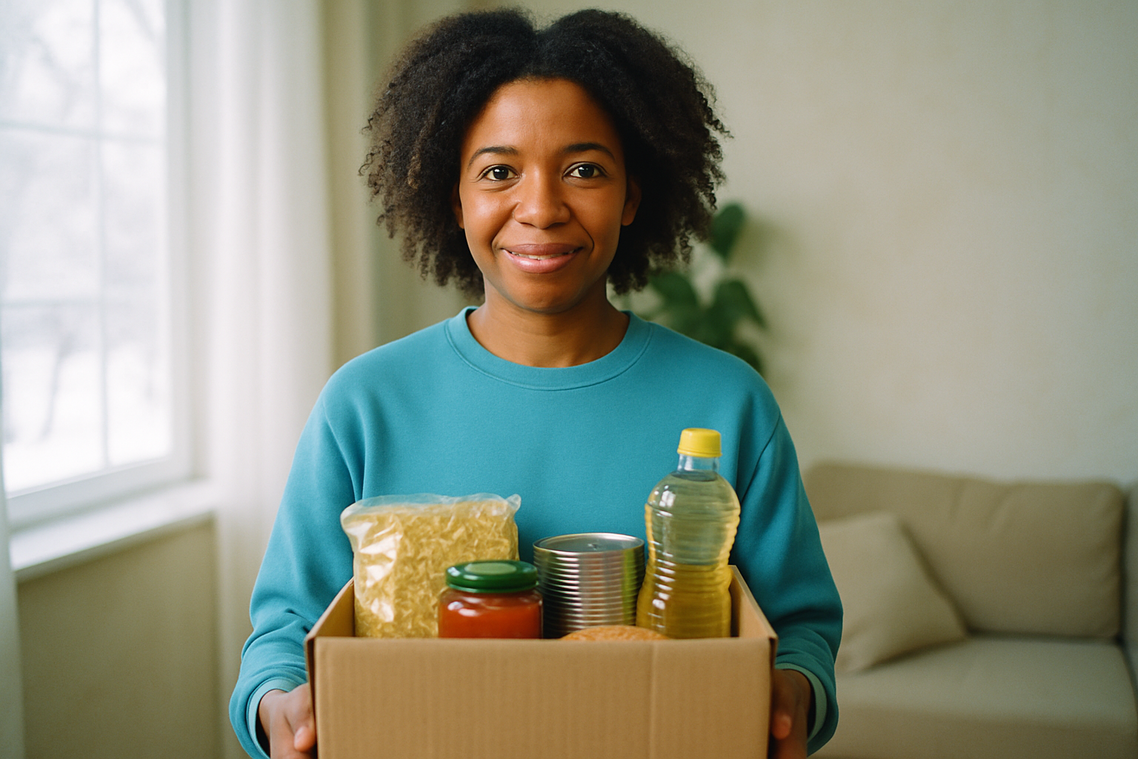
You want to eat healthier but you’re tired of bland chicken and sad salads.
I hear you.
Most people think healthy cooking means spending hours in the kitchen or choking down food that tastes like cardboard. But that’s not how it works at Fhthopefood.
These three recipes prove you can make good food fast. No fancy equipment. No weird ingredients you’ll use once and forget about.
Just real meals that taste good and happen to be good for you too.
Quick & Energizing Breakfast: The 5-Minute Berry & Spinach Smoothie
Start your morning right without the stress.
Here’s what you need:
| Ingredient | Amount | |
|---|---|---|
| ———— | ——– | |
| Frozen mixed berries | 1 cup | |
| Fresh spinach | 1 handful | |
| Protein powder or Greek yogurt | 1 scoop or 1/2 cup | |
| Unsweetened almond milk | 1 cup | Exploring the delightful fusion of flavors in a simple smoothie made with frozen mixed berries, fresh spinach, and almond milk can illustrate exactly “Why Cooking Makes You Happy Fhthopefood,” as it not only nourishes the body but also uplifts the spirit through creativity and satisfaction. |
Toss everything in a blender. Blend until smooth. Done.
Why this works: You’re getting antioxidants from the berries and fiber from the spinach. The protein keeps you full until lunch so you’re not raiding the vending machine by 10 AM.
(Pro tip: buy your berries frozen. They’re cheaper and you won’t watch fresh ones turn to mush in your fridge.)
Effortless & Portable Lunch: The Ultimate Chickpea Salad Sandwich
This is my go-to when I need lunch in under ten minutes.
Here’s your lineup:
- One can of chickpeas, drained and mashed
- Two tablespoons Greek yogurt or half a mashed avocado
- Diced celery and red onion
- Fresh lemon juice
- Salt and pepper
Mash the chickpeas with a fork. Mix in everything else. Spread on whole grain bread or stuff into a pita.
Why you’ll love it: It’s plant-based and loaded with fiber. No mayo means it won’t make you feel sluggish after lunch. Plus you can make a batch on Sunday and eat it all week.
Fast & Flavorful Dinner: One-Pan Lemon Herb Salmon with Asparagus & Cherry Tomatoes
One pan. Twenty minutes. That’s it.
What you need:
- Salmon fillets
- Asparagus spears
- Cherry tomatoes
- Olive oil
- Fresh lemon
- Dried dill or oregano
Arrange everything on a sheet pan. Drizzle with olive oil. Squeeze lemon over the top. Sprinkle your herbs. Bake at 400°F for 15 minutes.
The payoff: Salmon gives you Omega-3s for brain and heart health. The vegetables add vitamins without any extra work. And here’s the best part: you only have one pan to clean.
These recipes aren’t complicated. They’re just smart. You get the nutrition you need without spending your whole evening in the kitchen or eating food that makes you sad.
Pick one and try it this week.
The Secret Weapon: Simple Meal Planning & Prep
You know that moment when it’s 6 PM and you’re staring into your fridge with zero ideas? We break this down even more in Food Trends Fhthopefood.
Yeah, I’ve been there too many times.
Decision fatigue is real. When you’re tired from work, the last thing you want to do is figure out what’s for dinner. That’s when the takeout menus start looking really good.
But here’s what I’ve learned. Planning ahead isn’t about being perfect. It’s about making your life easier when you’re too tired to think.
The 3-Step Weekend Reset
I spend about an hour on Sunday doing this. That’s it.
Step 1: Plan Your Mains
Pick 3-4 dinner recipes for the week. Not seven. You need flexibility for leftovers and those nights when plans change.
Step 2: Shop Smart
Check your pantry first. Then make a list based on what you actually need. This alone will save you money and cut down on waste.
Step 3: Prep Ahead
Wash and chop your vegetables. Cook a big batch of quinoa or brown rice. Portion out your proteins. Put everything in airtight containers.
One hour. That’s all it takes.
Here’s what happens next. Weeknight dinners become fast. Like, really fast. You’re not starting from scratch every single night. You’re just assembling what you already prepped.
The best part? You’ll waste less food because you bought exactly what you need. Your grocery bill goes down. And you’ll actually stick to eating healthy because it’s easier than ordering out.
I talk more about why cooking makes you happy fhthopefood on the blog. But honestly, the happiness starts with not feeling stressed about what’s for dinner. To make your cooking experience more joyful and stress-free, I highly recommend trying out the delightful “Fhthopefood Baking Recipes by Fromhungertohope,” which not only simplifies dinner prep but also adds a sprinkle of happiness to your kitchen.
This simple routine changed how I eat during busy weeks. No more 9 PM pizza orders because I was too tired to cook.
Just good food, ready when I need it.
Your Journey to Healthy Home Cooking Starts Now
You came here because cooking at home felt overwhelming.
Maybe you thought you needed fancy skills or hours of free time. You don’t.
I’m going to show you that healthy home cooking is simpler than you think. You just need the right foundation.
This guide gives you everything to get started. A shopping list that actually makes sense. Recipes that don’t require a culinary degree. Methods that fit into your real life.
The secret isn’t complicated. Stock your pantry with good basics. Learn how to build a balanced plate. Plan just a little bit ahead.
That’s it.
You now have the knowledge to make this work. The recipes are straightforward. The shopping list is practical. The techniques are simple.
Here’s what I want you to do: Pick one recipe from fhthopefood and try it this week. Or spend 30 minutes on Sunday prepping some vegetables for the days ahead.
Don’t overhaul your entire kitchen overnight. That’s how people burn out.
Start small. Build the habit. Let it grow naturally.
Your health will follow when you make this sustainable. And sustainability comes from keeping things simple and doable.
One recipe. One prep session. That’s your starting point.
 Ask Jorveth Eldricson how they got into meal planning and preparation and you'll probably get a longer answer than you expected. The short version: Jorveth started doing it, got genuinely hooked, and at some point realized they had accumulated enough hard-won knowledge that it would be a waste not to share it. So they started writing.
What makes Jorveth worth reading is that they skips the obvious stuff. Nobody needs another surface-level take on Meal Planning and Preparation, Nutrition and Wellness Insights, Recipe Ideas and Cooking Techniques. What readers actually want is the nuance — the part that only becomes clear after you've made a few mistakes and figured out why. That's the territory Jorveth operates in. The writing is direct, occasionally blunt, and always built around what's actually true rather than what sounds good in an article. They has little patience for filler, which means they's pieces tend to be denser with real information than the average post on the same subject.
Jorveth doesn't write to impress anyone. They writes because they has things to say that they genuinely thinks people should hear. That motivation — basic as it sounds — produces something noticeably different from content written for clicks or word count. Readers pick up on it. The comments on Jorveth's work tend to reflect that.
Ask Jorveth Eldricson how they got into meal planning and preparation and you'll probably get a longer answer than you expected. The short version: Jorveth started doing it, got genuinely hooked, and at some point realized they had accumulated enough hard-won knowledge that it would be a waste not to share it. So they started writing.
What makes Jorveth worth reading is that they skips the obvious stuff. Nobody needs another surface-level take on Meal Planning and Preparation, Nutrition and Wellness Insights, Recipe Ideas and Cooking Techniques. What readers actually want is the nuance — the part that only becomes clear after you've made a few mistakes and figured out why. That's the territory Jorveth operates in. The writing is direct, occasionally blunt, and always built around what's actually true rather than what sounds good in an article. They has little patience for filler, which means they's pieces tend to be denser with real information than the average post on the same subject.
Jorveth doesn't write to impress anyone. They writes because they has things to say that they genuinely thinks people should hear. That motivation — basic as it sounds — produces something noticeably different from content written for clicks or word count. Readers pick up on it. The comments on Jorveth's work tend to reflect that.