
Nothing Works If the Brain Doesn’t
Mental health isn’t just about how you feel it’s about how your brain functions. Emotions are chemical. Your mood, focus, and energy are built on biology, powered by neurotransmitters like serotonin and dopamine. And those little guys don’t make themselves. They need raw materials: iron, magnesium, omega 3s, and a lineup of vitamins most people don’t think twice about.
Your gut plays a bigger role than most realize. It’s not just digestion down there it’s your second brain. The microbiome in your gut actually helps produce neurotransmitters, and if it’s off balance, your mood might be too. Ever had a bad stomach day and just felt off emotionally? That’s not coincidence. That’s chemistry.
Bottom line: if you’re only treating your mental health from the neck up, you’re missing half the picture. A healthy brain needs the right nutrients and a gut that can absorb them.
Slow Mood? Check Your Meals
When your blood sugar crashes, so does your mood. A sugary breakfast or a skipped lunch might seem harmless, but the spikes and dips can leave you irritable, anxious, or wiped out. Stable energy equals stable emotions so think less sugar highs, more balanced meals.
Then there are the nutrients your brain quietly depends on. Vitamin B12 and D aren’t just routine blood test items they’re directly tied to mental clarity and mood regulation. Missing them can mean brain fog, fatigue, or even symptoms that mimic clinical depression. Same goes for omega 3 fatty acids. These healthy fats are essential for brain health, and low levels are often seen in people battling anxiety and low mood.
Oh, and water. Sounds boring, but hydration is the unsung hero of mental sharpness. Dehydration even a mild case can tank your focus and amplify stress. If your thoughts feel foggy or your fuse feels short, a glass of water might go further than you think.
Foods That Help You Feel Better

Not all calories are created equal. If you’re running on a diet of empty carbs and caffeine, your mood and mind will pay the price. Start with complex carbs like oats, quinoa, and sweet potatoes. These release energy slowly, keeping your blood sugar stable and your mood less erratic. Think of them as fuel that doesn’t burn out by noon.
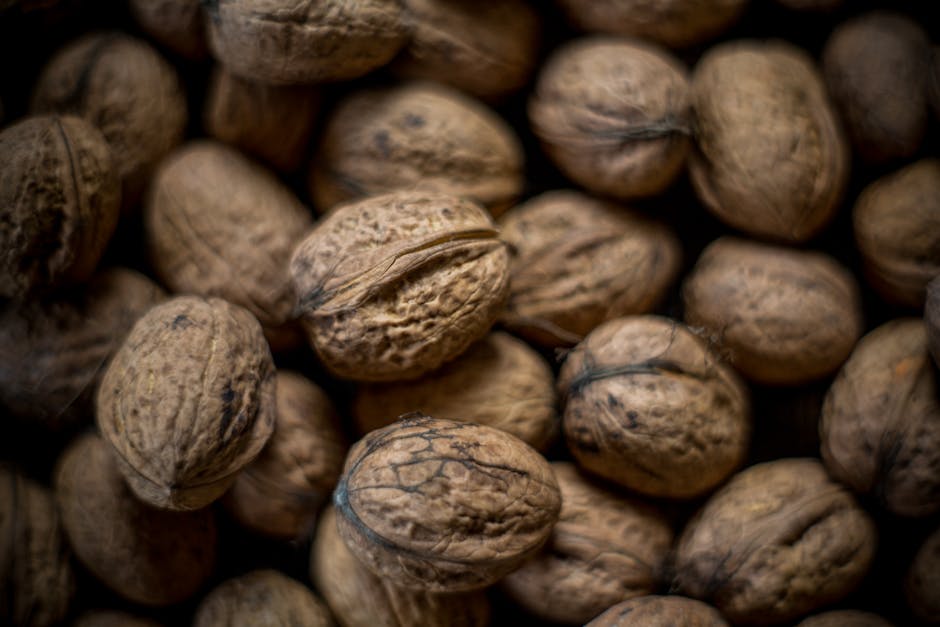
Next, your brain needs backup. Leafy greens like spinach and kale are packed with folate, which helps regulate mood. Nuts, seeds, and berries add omega 3s, antioxidants, and magnesium nutrients tied to sharper thinking and more balanced emotions without the crash. Easy to snack on, easy to feel better.
Don’t skip the gut. Fermented foods like yogurt, kimchi, and kefir deliver probiotics that support your microbiome, which science keeps linking to brain health. A stable, well fed gut can mean lower stress, better sleep, and maybe even fewer anxious spirals.
Eat better, feel better. It’s not a gimmick it’s biology. (Explore more connections between food and happiness)
Processed, Packaged, Problematic
The feel good high from a donut or bag of chips doesn’t last. Ultra processed, high sugar diets fire up inflammation in the body, and that response can mess with your brain chemistry. We’re not talking vague discomfort. We’re talking deeper dips in mood, foggier thinking, and a harder time bouncing back from stress.
Caffeine and alcohol take a similar toll when pushed too far. A strong coffee might prop you up for an hour, but overdo it and your anxiety spikes followed by an inevitable crash. Alcohol might take the edge off one night, but the next day? You’re running at half capacity, mentally and emotionally.
Let’s be clear: convenience foods are often comfort in disguise. They promise a quick mental boost, but drain your reserves over time. If your energy tanks and your mood keeps dipping, it might not be “just life” it might be what’s on your plate.
More Than Just Eating Right
Nutrition is a key part of mental wellness but it works best when paired with intentional daily habits. Beyond choosing the right foods, how and when you eat matters just as much.
Consistency = Stability
Irregular eating patterns can lead to blood sugar fluctuations, energy crashes, and even mood swings. A consistent rhythm of nourishing meals supports more even emotional states throughout the day.
Skipping meals can heighten anxiety or irritability
Regular fueling keeps your brain performing at its best
Balanced meals prevent highs and lows in energy and emotions
Cooking = Connection
Spending time in the kitchen goes far beyond just feeding yourself it’s a built in opportunity to slow down, focus, and care for your health.
Home cooked meals foster mindful eating
Preparing food for others can deepen emotional bonds
Cooking routines create a sense of control and self nurturing
Emotional Payoff from Everyday Acts
Even simple food rituals have benefits. From chopping vegetables to stirring a sauce, these small actions promote mindfulness and emotional grounding.
Repetitive tasks like cooking can calm a busy mind
Creating meals yourself reinforces a sense of agency and purpose
The act of preparing food is therapeutic in itself
Want to know how food and happiness intersect even more? Explore this deep dive.
Final Thought
Your brain is another organ just like your heart or lungs and it needs fuel to function. Not random calories, but real nutrition. Skip that, and don’t be surprised when the day feels harder than it should.
Food won’t solve every mental health struggle. It’s not a cure. But it’s one of the few levers you can pull every day that actually shifts your internal baseline. The right nutrients can help regulate mood, improve focus, and even calm anxiety. That’s not theory it’s chemistry.
So eat like it matters. Not perfect. Not Pinterest level. Just intentional. Because your mental health deserves a solid foundation, and what’s on your plate is a powerful first step.
 Ask Jorveth Eldricson how they got into meal planning and preparation and you'll probably get a longer answer than you expected. The short version: Jorveth started doing it, got genuinely hooked, and at some point realized they had accumulated enough hard-won knowledge that it would be a waste not to share it. So they started writing.
What makes Jorveth worth reading is that they skips the obvious stuff. Nobody needs another surface-level take on Meal Planning and Preparation, Nutrition and Wellness Insights, Recipe Ideas and Cooking Techniques. What readers actually want is the nuance — the part that only becomes clear after you've made a few mistakes and figured out why. That's the territory Jorveth operates in. The writing is direct, occasionally blunt, and always built around what's actually true rather than what sounds good in an article. They has little patience for filler, which means they's pieces tend to be denser with real information than the average post on the same subject.
Jorveth doesn't write to impress anyone. They writes because they has things to say that they genuinely thinks people should hear. That motivation — basic as it sounds — produces something noticeably different from content written for clicks or word count. Readers pick up on it. The comments on Jorveth's work tend to reflect that.
Ask Jorveth Eldricson how they got into meal planning and preparation and you'll probably get a longer answer than you expected. The short version: Jorveth started doing it, got genuinely hooked, and at some point realized they had accumulated enough hard-won knowledge that it would be a waste not to share it. So they started writing.
What makes Jorveth worth reading is that they skips the obvious stuff. Nobody needs another surface-level take on Meal Planning and Preparation, Nutrition and Wellness Insights, Recipe Ideas and Cooking Techniques. What readers actually want is the nuance — the part that only becomes clear after you've made a few mistakes and figured out why. That's the territory Jorveth operates in. The writing is direct, occasionally blunt, and always built around what's actually true rather than what sounds good in an article. They has little patience for filler, which means they's pieces tend to be denser with real information than the average post on the same subject.
Jorveth doesn't write to impress anyone. They writes because they has things to say that they genuinely thinks people should hear. That motivation — basic as it sounds — produces something noticeably different from content written for clicks or word count. Readers pick up on it. The comments on Jorveth's work tend to reflect that.