
Eating Less Meat Without Going All In
What Does “Flexitarian” Really Mean in 2026?
Flexitarianism is no longer just a buzzword it’s become a mainstream approach to eating that appeals to both health conscious and environmentally aware consumers. In 2026, being flexitarian means prioritizing plant based meals without fully eliminating animal products. It’s about finding your own balance rather than sticking to rigid dietary rules.
Meat becomes an occasional complement, not a staple
Plant forward meals are the norm, not the exception
Customization and personal preference lead the way
Why Are People Embracing Semi Plant Based Diets?
Today’s consumers aren’t looking for perfection they’re looking for progress. With growing awareness around health, sustainability, and animal welfare, many are choosing to reduce meat without giving it up entirely. This approach supports both their values and their lifestyles.
Flexitarianism fits a wide range of health and cultural needs
Less pressure to commit fully to vegetarian or vegan labels
Easier entry point for those curious about plant based eating
Flexibility Is the Future of Sustainable Eating
Rigid diets can often lead to burnout or relapse but flexible approaches are sticking around. Flexitarianism offers a realistic, inclusive solution for individuals looking to eat better and live more sustainably, without overhauling every meal.
Encourages gradual, lasting changes to eating habits
Reduces environmental impact without strict sacrifice
Supports a sustainable food culture through moderation
Health First, Labels Second
Balanced eating doesn’t need to come with guilt, rules, or some endless chase for perfection. A flexitarian approach isn’t about never eating a steak again it’s about making choices that tilt toward better health, most of the time. That shift alone is enough to move the needle.
Cutting back on meat especially red and processed kinds has clear benefits. Lower risks of heart disease, better cholesterol numbers, and improved gut function all show up quickly when you’re not loading your system daily with heavy saturated fats. It’s not about cutting out. It’s about cutting down, and replacing with smart, nutrient dense alternatives: lentils, nuts, legumes, fish, and hearty greens. This supports your microbiome, fuels the body cleanly, and gives your digestive system a break from long haul meat metabolism.
Science backs the idea of “less but better.” A handful of high quality animal products organic eggs, pasture raised meats, sustainable fish offer dense nutrition without tipping into excess. Flexitarianism leans into that balance. You’re not removing you’re rebalancing. And for a lot of people, that’s not only healthier long term, it’s easier to live with.
Done right, this isn’t a diet. It’s a sustainable pattern that does the job without the perfectionism.
Climate Conscious without Extremes
Cutting meat a few days a week might not sound revolutionary but the environmental impact adds up fast. Skipping just one meat based meal per day can significantly cut a person’s carbon footprint over the course of a year. It’s not about going fully vegan or living off tofu alone. It’s about being deliberate and flexible.
Regenerative agriculture is proving that animal farming isn’t one size fits all. Managed grazing, soil restoration, and rotational systems are helping a new wave of farmers reduce emissions and improve biodiversity. In short, it’s possible to eat meat and still support a healthier planet if you choose producers who are doing it right.
This is where moderation wins. You don’t have to ditch your favorite dishes to make a difference. Instead of extremes, the flexitarian approach favors practical swaps and mindful sourcing. It empowers people to shift eating habits without the guilt trips or food labels. And in 2026, that’s looking more like the future of sustainability than hardline diets ever did.
The Grocery Cart Looks Different Now
Flexitarians aren’t asking for perfect. They’re asking for better and the food industry is finally catching on. One of the biggest shifts? Hybrid meat products. Think blended burgers that marry grass fed beef with mushrooms, or sausages with lentils mixed into the grind. These products cut down on meat content without sacrificing the taste or texture consumers crave. They’re a smart middle ground for anyone reducing meat without going cold turkey.
Then there’s the new class of plant based options that don’t try to mimic meat as much as they try to taste good, period. Brands are focusing less on “fool the carnivore” tricks and more on delivering clean label, well seasoned, satisfying foods. The goal is flavor forward, not hyper engineered.
Legacy food companies were slow to catch the trend, but 2024 is proving they’ve started paying attention. You’ll find hybrid items from big name brands on mainstream shelves, not just specialty aisles. Flexitarianism is no longer niche it’s market share. And the grocery cart is finally catching up with real people’s habits.
Support from the Local Food Movement
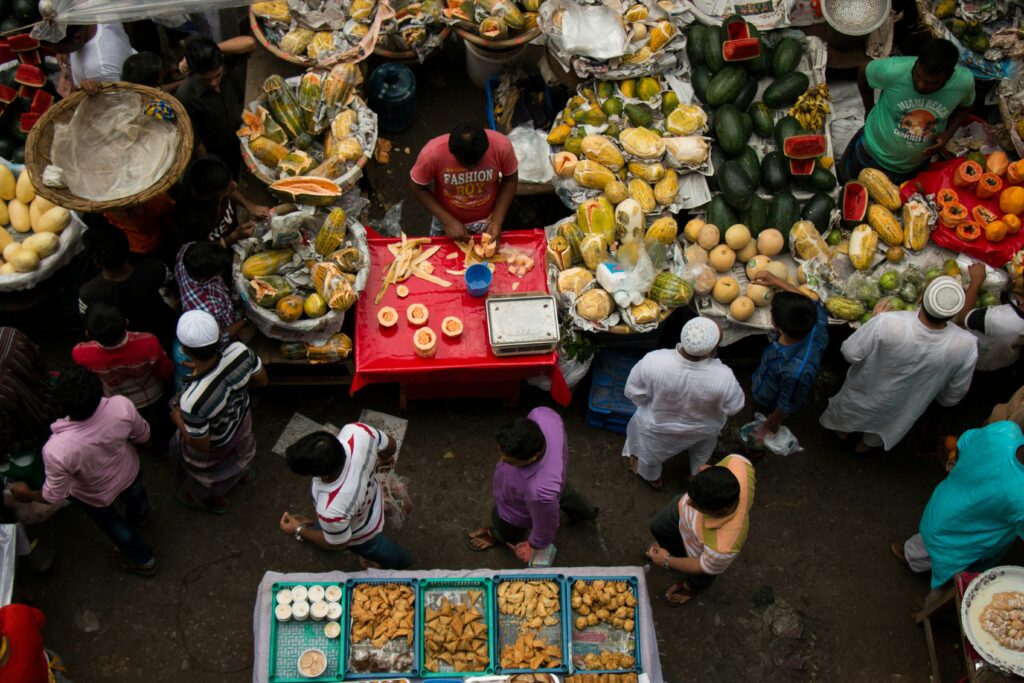
Flexitarianism has always leaned plant forward, but now it’s leaning local, too. Farmer’s markets are no longer just Saturday novelties they’re becoming regular stops for people rethinking what and how they eat. For flexitarians, eating locally isn’t just a lifestyle choice, it’s a practical way to align values around health, sustainability, and community.
Urban farming is also on the rise. Rooftop greens, city co ops, even backyard hydroponics it’s all part of a growing push to know where your food comes from. And when food is grown nearby, it’s usually fresher, less packaged, and often grown with more care. That syncs naturally with plant forward eating, which favors seasonal produce, whole foods, and simpler ingredient lists.
Eating less meat doesn’t have to mean buying obscure soy based products from halfway across the globe. It can look like grilling local eggplant, sautéing city grown greens, or making soup from whatever’s in season at your neighborhood stall. The overlap is clear: eating close to home often means eating more plants. For a deeper look into this growing trend, check out From Farm to Table: The Local Food Movement Explained.
What This Means for You
Flexitarianism isn’t about embracing strict food rules it’s about making smart, sustainable adjustments that fit your lifestyle. Small, intentional changes to how you eat can add up to meaningful benefits for your health, your budget, and the planet.
Small Diet Shifts, Big Impact
You don’t have to overhaul your entire menu to eat more flexibly. Start with simple swaps and shifts that feel doable, not disruptive.
Try meat free Mondays to ease into the habit of eating plant based one day a week
Cut meat portions in half and bulk meals with veggies, legumes, or grains
Experiment with plant forward meals like grain bowls, curries, or stir fries
Choose higher quality meat less often, favoring local or sustainably raised sources
These modest adjustments can help lower your environmental impact, reduce your intake of saturated fat, and still give you the flavors and satisfaction you’re used to.
Easy Weeknight Strategies
Being a flexitarian isn’t time consuming it’s just about planning smart.
Batch cook plant based staples, like lentils, quinoa, or roasted vegetables, to mix and match during the week
Stock your pantry with flexitarian friendly essentials: chickpeas, tahini, whole grains, and tofu
Use your freezer for go to meat alternatives or veggie based soups and stews
Make swaps: try mushrooms or jackfruit instead of pulled pork, or lentils in place of ground meat in tacos
With a little prep and flexibility, eating well doesn’t require sacrificing flavor or convenience.
A Realistic Path Forward
Unlike diets that demand all in commitment, flexitarianism allows for nuance. It’s not about being “bad” for eating a burger it’s about choosing when and how often you do. That level of balance appeals to a broad range of people, making it one of the most accessible and sustainable food movements today.
Flexible for families, cultures, and different dietary needs
Grounded in health and sustainability, not restriction
Built to be long term, not a quick fix trend
In a food culture filled with extremes, flexitarianism stands out for its practicality. It’s forward thinking without being overwhelming. And increasingly, it looks like the way more people are choosing to eat in the future.