What Sautéing Actually Does
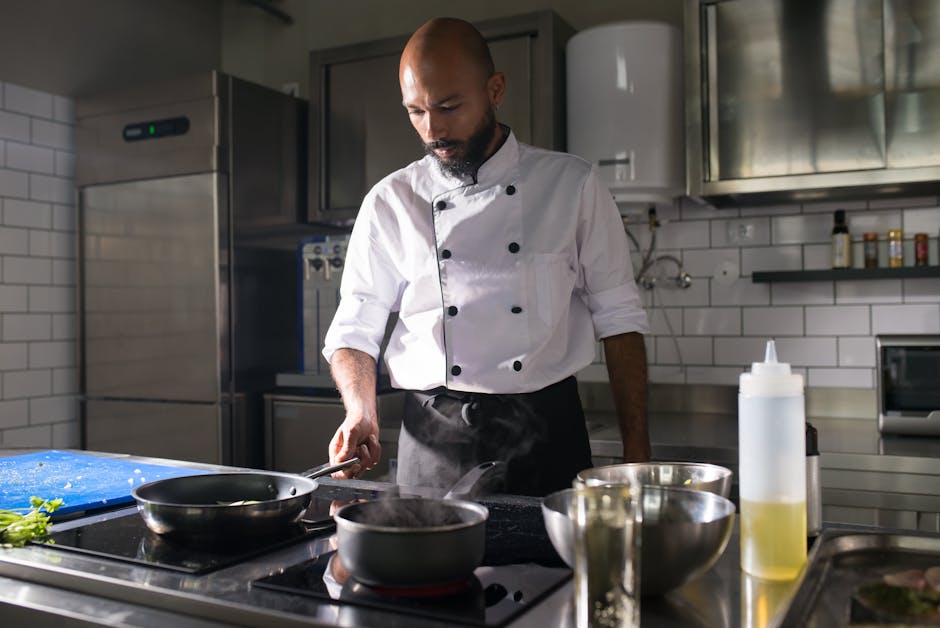
Sautéing is more than just tossing food in a hot pan it’s a precise cooking method grounded in science. Here’s why it matters and how it transforms simple ingredients into flavorful meals.
The Fundamentals of Sautéing
Dry Heat Method: Unlike boiling or steaming, sautéing uses minimal liquid. It relies on direct contact with a hot surface and a small amount of oil to quickly cook food.
High Temperature: The pan must be hot enough to cook food rapidly without steaming it. This preserves texture and enhances flavor.
Minimal Oil Use: Just a thin coating of oil is enough to prevent sticking and promote even browning.
The Magic of Browning: Maillard Reaction
The golden crust that develops on proteins and veggies isn’t just pretty it’s packed with flavor. This is thanks to the Maillard reaction, a chemical reaction between amino acids and sugars that occurs when food hits high heat.
Adds complexity and savory notes to proteins like chicken and beef
Develops color and a caramelized edge on vegetables
Requires proper heat too low and you steam, too high and you scorch
Quick, Nutrient Preserving Cooking
One of sautéing’s biggest advantages is its speed, which works in your nutritional favor.
Locks in moisture so food stays tender, not dry
Retains more vitamins and minerals than longer cooking methods
Great for fresh meals that don’t require hours in the kitchen
When done right, sautéing delivers maximum flavor with minimal fuss. It’s fast, effective, and elevates everyday ingredients into something special.
Ideal Ingredients for the Pan
If you want your sauté game tight, it starts with picking the right ingredients.
For proteins, go thin and quick. Thin cuts of chicken, strips of beef, firm tofu slices, and small shrimp are your MVPs. These cook fast, hold flavor, and keep you from drying out the pan or the meat. You don’t need a thick ribeye here. Save that for grill day.
When it comes to veggies, think color, structure, and moisture. Bell peppers, onions, mushrooms, and leafy greens like spinach or kale hit the sweet spot. They sauté well because they soften quickly while still holding texture if timed right. Root vegetables? Save them for roasting.
One basic rule that gets overlooked: cut everything the same size. Uniform size means everything cooks evenly. No half raw onion chunks next to overcooked mushroom slivers. Your pan stays hot, and you don’t have to babysit the timing. Efficiency, flavor, and texture all start at your cutting board.
Oil Choice Makes a Difference
When it comes to sautéing, not all oils play fair at high heat. You need something with a high smoke point oils that won’t break down, burn, or turn bitter under pressure. Avocado oil tops the list, with a smoke point north of 500°F. Grapeseed and canola aren’t far behind, and both offer clean flavors that won’t overpower your ingredients. They’re workhorses in the pan and won’t cloud up your kitchen with smoke.
Now, butter. It’s unmatched for flavor but quick to scorch. The milk solids in standard butter brown fast and burn even faster. If you’re set on using it, add it late in the cooking process or mix it with a neutral oil to raise the smoke point. Or just go with clarified butter (ghee) from the start same great taste, fewer fire alarms.
Sogginess and scorching common rookie mistakes. Too much oil drowns your veggies. Too little, and things stick or burn. The trick is to preheat your pan first, then add just enough fat to coat the bottom with a thin shimmer. Let it get hot but not smoking wildly, then drop in your ingredients. Control the heat and move fast. That’s how you get crisp edges, golden browns, and zero regrets.
Equipment Hacks That Pay Off
The right tool makes a difference, and when it comes to sautéing, your pan matters more than you think. Start with a wide, heavy bottomed skillet. The extra surface area gives ingredients room to breathe and brown instead of steam. Thin pans heat unevenly and stick more often. A solid pan holds temperature and responds predictably.
Now, about the big kitchen debate: stainless steel or nonstick? Stainless steel gives you better browning and a richer fond (those tasty caramelized bits). But it demands attention heat it properly and don’t move things too soon. Nonstick is more forgiving, especially for delicate items and quick cleanups, but it can limit high heat searing and may wear out faster.
Whatever you choose, don’t crowd the pan. Packed ingredients trap moisture and drop the heat, derailing the Maillard reaction. You’ll end up with pale, steamed food instead of golden, savory goodness. Sautéing is about control, not chaos. Give your food room to move and it’ll reward you on the plate.
Timing Is Everything
Sautéing rewards the cooks who pay attention, not the ones who just watch a timer. First rule: heat your pan before adding oil. A hot pan ensures the oil coats evenly and doesn’t burn. If you start with cold oil in a cold pan, you’ll end up with uneven cooking or worse ingredients that stick and steam instead of brown.
When it comes to what hits the pan and when, order matters. Get your proteins in first. They take longer to cook and benefit most from the hot, dry environment. Sear them, then remove and rest while you quickly blister or soften the vegetables. Doing it the other way around often leads to overcooked veggies or underwhelming meat.
Finally, learn to trust your senses. A good sauté isn’t timed to the second; it’s guided by what you see, smell, and hear. Look for browning, not burning. Smell the point at which onions go sweet, not scorched. Listen for that steady sizzle consistent, but not aggressive. Skip guesswork, stay sharp, and let the pan talk back.
Smart Shortcuts for Everyday Meals
The trick to making sautéing work on busy weeknights is setting yourself up to win. That starts with batch prep. Spend thirty minutes on Sunday slicing onions, chopping bell peppers, and dicing your go to proteins. Store them in airtight containers, grouped by cook time. That way, when 7 p.m. hits midweek, you’re not starting from zero you’re assembling.
Second shortcut: store bought helpers. Good spice blends, pre minced garlic, frozen chopped herbs, and tubes of ginger or lemongrass aren’t cheating they’re strategy. Use them to layer flavor fast without a mountain of dirty tools. Aromatics like shallots or green onions come pre chopped in many stores. Grab ’em.
Then bring it all together with solid back pocket recipes. Need ideas? Start here: 10 Quick and Healthy Dinners You Can Make in Under 30 Minutes. Grab what you’ve prepped, fire up the pan, and you’re halfway done before the oil even shimmers.
Next Level Techniques
Turning a basic sauté into a restaurant worthy dish doesn’t require hours in the kitchen but it does require a few game changing techniques. Here’s how to elevate your meals with simple, yet powerful finishing moves.
Deglaze for Instant Pan Sauces
Once you’ve sautéed your proteins or vegetables, those browned bits at the bottom of the pan (called fond) are flavor gold.
How to do it:
Remove any cooked items from the pan.
Add a splash of liquid such as wine, broth, or even a bit of vinegar while the pan is still hot.
Use a wooden spoon to scrape up the fond as the liquid simmers.
Let it reduce slightly for a quick, concentrated sauce.
Best liquids to use:
White wine for poultry or seafood
Red wine or beef broth for red meats
Vegetable broth for plant based meals
Combine Sauté + Simmer for Tougher Cuts
Not all proteins or vegetables soften from high heat alone. For items that need more time, like tougher cuts of meat or hearty root vegetables, try pairing sautéing with a brief simmer.
Why it works:
Searing builds flavor through browning.
Simmering in a liquid helps tenderize while absorbing the surrounding flavors.
Pro tip:
Start by browning the meat in the pan, then add aromatics and liquid. Cover and simmer gently until fork tender.
Finish with Flavor Builders
Even a perfect sauté can fall flat without a strong finish. Top chefs know the power of final touches like acid, butter, or herbs to balance and brighten a dish.
Try these finishing touches:
Acids: A squeeze of lemon or drizzle of vinegar cuts through richness.
Butter: Swirl in a knob of butter at the end for added body and sheen.
Fresh Herbs: Sprinkle parsley, basil, or chives just before serving to boost freshness.
Note: Add finishing ingredients off heat to avoid overcooking and to preserve their flavor.
Mastering these small additions helps turn everyday sautéed dishes into memorable meals.