Why Knife Skills Still Matter in 2026
A sharp blade and sharp technique have outlasted every kitchen trend for a reason. You can buy the latest gadgets, but they won’t replace the precision of a practiced hand and a well honed knife. Good knife skills are efficient. They save time, reduce waste, and make cooking safer, not more complicated. A clean cut means even cooking, better texture, and food that actually looks good on the plate without five devices cluttering your counter.
The real edge isn’t in the tool it’s in how you use it. A steady julienne or confident dice brings consistency to your dishes. And consistency is what makes or breaks flavor and presentation. Whether you’re breaking down a chicken or slicing herbs, proper technique takes the guesswork (and risk) out of it. Less slipping, fewer accidents, more control.
In 2026, with tech everything at our fingertips, mastering something as analog as a knife can feel almost rebellious. But that’s exactly why it matters. Skill never goes out of style.
Dice, Mince, Julienne, Chiffonade: What They Are and Why They Matter
Good knife work isn’t about flair it’s about control, consistency, and knowing how a cut changes the way food cooks and tastes. You don’t need a culinary degree to understand the basics, but you do need to know the key cuts and why they matter.
Dice means cutting food into cubes small, uniform blocks usually a quarter to a half inch in size. Ideal for soups, stews, and anything that simmers, diced ingredients cook evenly and hold shape. Smaller dice cook faster; larger ones give more bite.
Mince takes things further these are tiny bits, almost paste like. Minced garlic or ginger releases maximum flavor because more surface area means faster flavor extraction. Use this for aromatics or sauces where you don’t want visible chunks but still want the flavor punch.
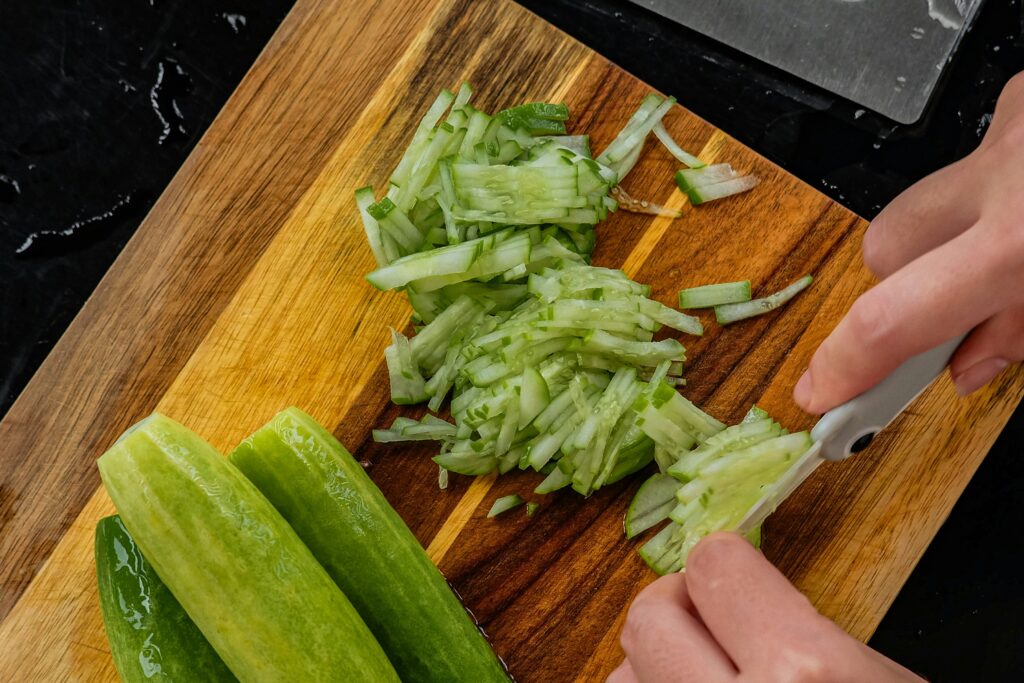
Julienne is all about the strip cut thin matchstick like pieces perfect for stir fries or raw applications like salads. A good julienne cooks in seconds and gives dishes a clean, sharp texture. Precision matters here for even cooking and better plating.
Chiffonade is for herbs and leafy greens. Stack, roll, and slice into ribbons. It’s what you want when topping pasta with basil, garnishing soups, or adding a pop of green to plated dishes. Flavors stay fresh and release gradually.
Each of these cuts isn’t just for looks they impact cooking time, flavor release, and texture. Bigger cuts take longer to cook but hold shape. Finer cuts cook fast and blend in. When you match the right cut to the right dish, everything just works.
Knife Types Demystified
Let’s cut through the clutter. Most home cooks don’t need a drawer packed with specialty knives. What you really need are a few solid performers that match your cooking style.
First up: chef’s knife vs. Santoku. The chef’s knife is the all rounder great for rocking motions, slicing proteins, chopping herbs, smashing garlic. If you like a bit of heft and work across a wide range of tasks, this is your go to. The Santoku, by contrast, is lighter, shorter, and taps into a straight down chopping style. It’s perfect for precision work like dicing onions or thinly slicing vegetables. If your meals lean more plant based or you prefer speed over muscle, start here.
Then there are the supporting players:
Paring knife? Small but mighty for peeling, trimming, or any work that demands tight control.
Serrated knife? Think tomatoes, crusty bread anything where a sawing action beats a slice.
Boning knife? Not a daily tool unless you break down your own meat or fish.
So how many knives does a home cook really need in 2026?
Three: a versatile chef’s or Santoku (pick the one that fits your hand and habits), a paring knife for the fine stuff, and a good serrated blade. That’s the core kit. Everything else is optional nice to have, not need to have.
The key isn’t quantity. It’s sharpness, control, and comfort. Learn those three with your core blades, and you’ll prep like a pro, no matter what’s on the menu.
Build Muscle Memory, Not Bad Habits

If you’re still gripping your knife like a hammer, it’s time for a reset. The pinch grip where you hold the blade between your thumb and index finger while wrapping the rest around the handle gives you better control and balance. That one adjustment can make your cuts cleaner, faster, and safer. Your knife doesn’t wobble, your hand doesn’t tire out as fast, and your precision improves immediately.
Next up: guide with your knuckles, not your fingertips. Curl your fingers under and let the flat of the blade move along your middle knuckle. It feels weird for a day, then becomes second nature. This is how you get quick without getting hurt.
And yes, storage matters just as much. Tossing your knife in a drawer dulls it overnight. A magnetic strip or knife block keeps the blade protected and sharp. And a sharp knife? It slides through ingredients smoothly, which means less strain on your wrists and way fewer accidents.
Mastering knife skills isn’t about flare it’s about eliminating friction. The right habits do that.
Keep That Blade Sharp
Most home cooks treat their knives like one trick tools sharp one day, dull the next. The truth is, good maintenance is a habit, not a fix. And it starts with knowing the difference between honing and sharpening.
Sharpening removes metal. It reshapes the edge and brings a worn out blade back to form. You don’t need to do it often maybe once every few months, depending on use. Honing, on the other hand, doesn’t shave off metal. Instead, it realigns the edge, correcting microscopic bends caused by daily use. It keeps a good knife sharp longer and should be done frequently ideally before every serious session on the cutting board.
So what tools matter?
- A reliable honing rod ceramic or steel.
- A quality whetstone or, at least, a trusted manual sharpener.
- A non negotiable: a safe, secure cutting board that doesn’t dull your blade.
Ignore the edge at your own risk. Dull knives slip. They bounce off onions, catch on tomatoes, and slice fingers more often than food. A sharp knife moves with purpose. It’s predictable, clean, and safer for both your meal and your hands.
Bottom line? Keep your edge, and it’ll keep you out of the ER.
Practice on the Right Ingredients
If you’re learning knife skills, skip the fancy stuff and start with the backbone of home cooking: onions, bell peppers, and garlic. These ingredients are forgiving but packed with technique. Onions teach you control and knife alignment either you slice them cleanly or you cry more than you chop. Bell peppers help fine tune your edge work around curves and seeds. Garlic’s tight quarters demand precision. Master these, and you’re building real coordination.
When you’re comfortable, push yourself. Try citrus supremes cutting between membranes to release perfect segments. It’s a lesson in sharpness and grace. Move on to fine herbs like parsley or basil. Clean cuts mean cleaner flavors. Julienne carrots next: they fight you a bit, forcing practice in pressure, angle, and rhythm.
Avoid slippery tomatoes early on. Their soft flesh and tight skin need a sharp blade and a steady hand not ideal for day one. Same goes for dense winter squash, which can break your stride or your knife if you’re not prepared. Stick to ingredients that reward consistency and help build confidence. The rest can come later, once your hands know what they’re doing.
Knife Skills and Cooking Techniques Go Hand in Hand
Great knife skills do more than save time they directly impact how your dishes taste, feel, and even smell. As you improve your slicing, dicing, and chopping techniques, you’ll start noticing smoother transitions from board to pan, and ultimately, to plate.
Cut Timing Affects Cooking Rhythm
Speed matters, but precision is key. Once you’re able to cut ingredients evenly and efficiently:
Your ingredients cook more consistently
You avoid undercooked or overcooked bits in the same dish
Sautéing becomes rhythmically satisfying and more effective
A consistent sauté rhythm helps release aromatic compounds at the perfect moment, enhancing the depth and brightness of your food. It’s the kind of harmony that elevates weeknight cooking into something truly special.
The Blade and the Pan: A Two Part Medley
Your knife work sets up your pan work. The more precision in size and shape, the more control you have over heat, sear, and texture.
Uniform cuts enable even browning
Properly prepped aromatics bloom faster and more evenly
Meal timing becomes more intuitive and less stressful
Pro Tip: Don’t just practice knife skills in isolation. Time your prep work, then immediately cook with intention. Quick transitions from prep to pan build natural flow.
Want to Improve Both at Once?
For a deeper dive into how prep affects pan performance, check out this guide: The Science Behind Sautéing Tips for Perfectly Cooked Meals
Knife mastery opens the door to cooking finesse. Once you line up those slices with intentional pan work, everything from weeknight stir fries to elegant dishes gets a meaningful upgrade.