What Balanced Eating Looks Like in 2026
If the wellness noise hasn’t drowned it out yet, here’s the truth: whole foods still win. That means real produce, lean proteins, and grains that aren’t stripped of all their fiber. These are the workhorses of any solid grocery cart.
Balanced eating isn’t about perfect macros or color coded food groups. It’s about variety, nutrients, and sticking with choices that actually last on your plate and in your lifestyle. That’s why food that’s simple, whole, and minimally processed keeps showing up at the top of the list. It fills you up, not out.
Forget the detox drinks or whatever new diet is trending in your feed. The point is to eat food that works for your life and helps you function through your week. In 2026, we’re not chasing fads. We’re fueling up with purpose. Real food. Real results.
The Essential Grocery Categories
This isn’t about chasing trends it’s about building a cart that covers real life meals. Straightforward, nutrient dense picks you can carry through the week without second guessing. Skip the fluff. Here’s your foundation:
Proteins: Keep it lean and versatile. Chicken breast cooks fast and works across cuisines. Tofu adds plant based balance. Eggs are meal chameleons breakfast to dinner. Canned tuna? Shelf stable, protein rich backup. Legumes (think lentils, black beans, chickpeas) are budget friendly and pack fiber too.
Veggies (fresh + frozen): No shame in the frozen aisle. Spinach, broccoli, and kale hold up well from freezer to skillet. Fresh bell peppers and carrots stay crisp all week. Fresh, when you can swing it. Frozen, when you need the backup.
Fruits: Go for a mix fiber, antioxidants, that natural sweetness. Fresh berries and bananas for snacking. Apples and oranges last longer. Flash frozen options are solid for smoothies or oatmeal.
Grains: Complex carbs that do more than just fill space. Brown rice and quinoa are meal prep powerhouses. Oats fuel the morning. Whole grain bread or tortillas give you grab and go options without the extra junk.
Healthy Fats: Don’t skip the fats. Olive oil for cooking and dressings. Avocados when they’re ripe and on sale. Nut butters and seeds (chia, flax, sunflower) round out snacks or top off bowls.
Smart Snacks: The kind that actually tide you over. Greek yogurt has protein and tang. Hummus adds flavor and fiber. Roasted chickpeas bring crunch without the regret.
Seasonings & Basics: Keep it simple and flavorful. Garlic and onions set up just about any meal. Dried herbs upgrade everything. Low sodium broth’s a must for soups, grains, and quick sauces. These are your kitchen’s quiet workhorses.
Buy in bulk especially grains, legumes, and frozen veggies
The bulk bins and freezer section are gold mines when you’re trying to eat well without breaking the bank. Rice, lentils, black beans, peas these staples last forever, pack a nutritional punch, and cost way less in bulk. Frozen veggies are also a smart grab: they’re often picked at peak ripeness and don’t go bad in three days. Stock up.
Shop seasonal and local produce for the best deals and quality
When produce is in season, it’s cheaper, fresher, and more flavorful. Think tomatoes in summer, squash in fall. Farmers markets or local grocery chains often have better deals on these than big name stores. Plus, you’ll support small growers without sacrificing quality.
Store brands can cut cost and still deliver great nutrition
Don’t sleep on generic labels. Whether it’s oats, canned beans, or Greek yogurt, store brands are typically made by the same manufacturers as the name brands just without the marketing price tag. Check labels for added sodium or sugar, but in general, you’re safe.
Plan meals before you shop to avoid food waste
Wandering can kill your grocery budget and lead to a fridge full of leftovers you’ll never eat. A 10 minute plan before you shop means you only buy what fits into the week’s meals. Bonus: you waste less, cook faster, and rarely wonder what’s for dinner.
Learn how meal prep ties into smart grocery shopping here
Pro Moves for Long Term Grocery Game
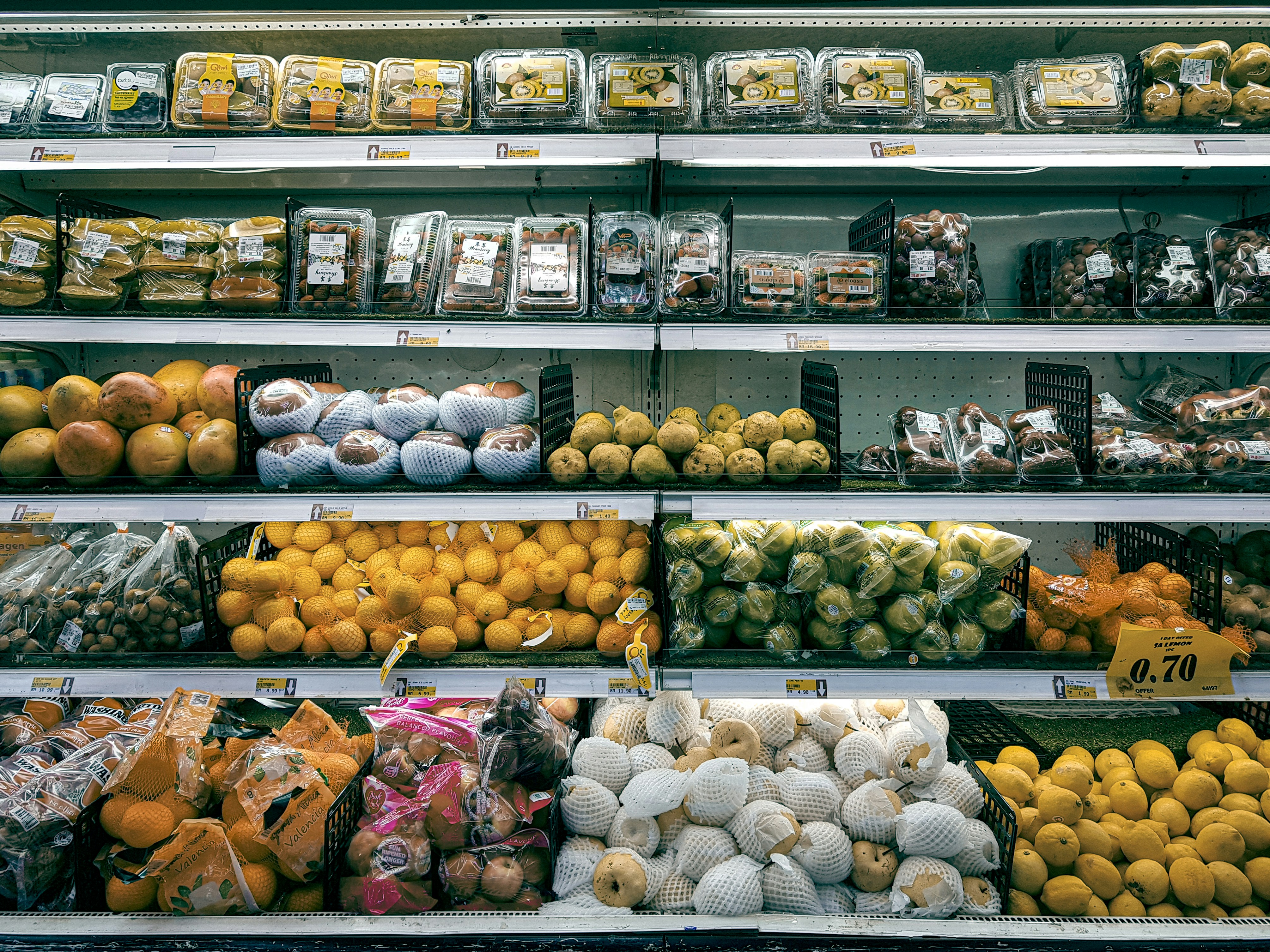
Leveling up your grocery routine takes more than a weekly list it requires strategy that saves time, maximizes ingredients, and reduces stress throughout the week.
Create a Living Grocery List
Keeping a running grocery list on your phone ensures you won’t forget key ingredients. Even better: update it in real time.
Use a notes app or dedicated grocery list tool
Add items the moment something runs low
Organize by category (produce, proteins, pantry staples) for faster in store trips
Plan with Themes for Meal Variety
Weekly meal planning doesn’t have to be rigid or boring. Choose easy, flexible themes that allow for creativity and convenience:
Monday: Stir fry night with rice and mixed veggies
Tuesday: Pasta or grain bowl
Wednesday: Mexican inspired tacos or burrito bowls
Thursday: Sheet pan dinners (protein + veggie + seasoning)
Friday: Leftover remix or breakfast for dinner
Themes help reduce decision fatigue and ensure balanced variety without overthinking.
Batch Cook Key Ingredients
Batch cooking staple ingredients means less daily prep and more mealtime flexibility.
Cook a big batch of grains (quinoa, brown rice, oats) once a week
Roast a tray of assorted vegetables use them in bowls, wraps, or alongside proteins
Pre cook proteins like beans, shredded chicken, or tofu for grab and go meals
Mix and match these staples to create new combinations without starting from scratch.
Shop Your Kitchen First
Before heading to the store, take inventory:
Scan your pantry, fridge, and freezer
Note which ingredients are already on hand
Build your grocery list to complement what you already have
This quick step prevents duplicate purchases, saves money, and sparks fresh meal ideas using what’s available.
Thoughtful pre planning doesn’t just support balanced meals it makes your entire week smoother.
Final Note: Keep It Simple, Make It Consistent
You don’t need a picture perfect cart just a well rounded one. Instead of chasing a flawless grocery list, focus on variety. Different fruits, different veggies, a couple of proteins you know how to cook that’s enough to build solid meals all week.
A balanced cart means fewer takeout temptations, fewer skipped meals, and fewer decisions during the 6 p.m. scramble. It syncs your week. It gives your body what it needs without turning your evenings into a stress binge.
And the real trick? Make smart grocery shopping a rhythm, not a rebrand every Sunday. Keep a list running. Check your pantry. Know your defaults, but leave room for what’s fresh or on sale. When you make this a habit, it stops being a task and starts being your baseline for a better week.