Borders Are Out. Fusion Is In.
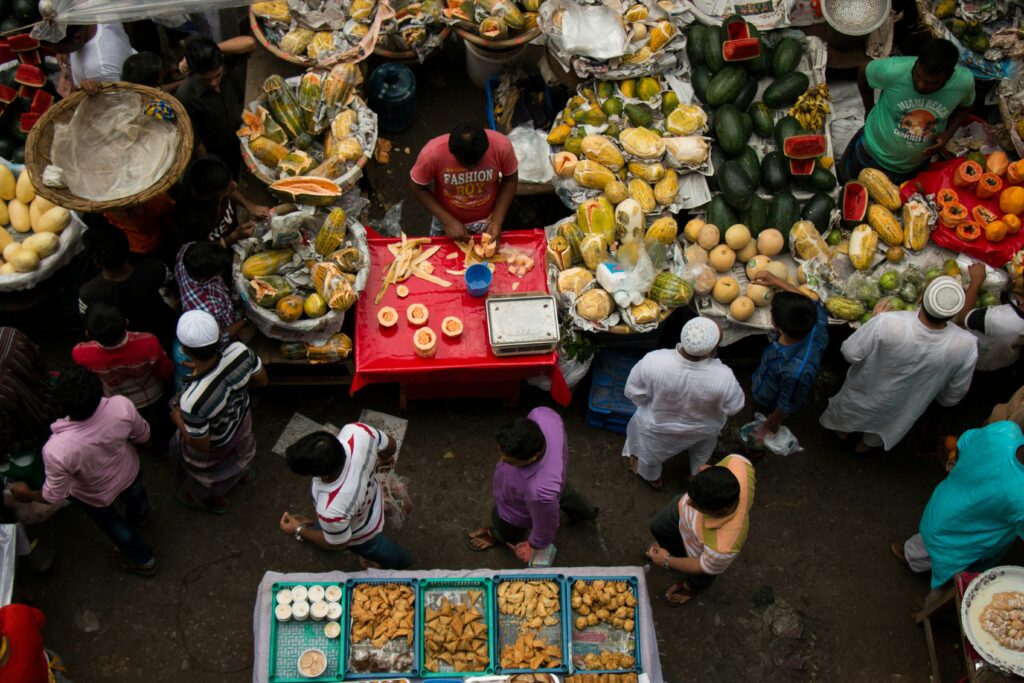
Regional cuisine doesn’t stay regional for long anymore. What’s local in Lagos shows up on a Los Angeles food truck menu the next month. Pho is a weeknight dinner. Harissa ends up in breakfast eggs. Tandoori tacos? They’re a thing and they work.
This mass blending isn’t random. It’s powered by people immigrants bringing taste memory with them, travelers returning home with cravings, and creators on TikTok and YouTube turning food mashups into millions of views. Platforms that once showcased clean French plating now celebrate birria ramen and jollof inspired risotto. The borders around food? Softened, if not erased completely.
In home and pro kitchens alike, influence travels faster than ever. You see it in spice cabinets stocked with Korean chili paste beside maple syrup. In grills flavored with both miso butter and jerk marinade. In how “authentic” now often just means “deeply personal.”
This isn’t just a trend. It’s a reflection of how the world eats now curious, hybrid, and constantly evolving.
Ingredients Going Global
Gochujang hitting grilled cheese. Za’atar dusting scrambled eggs. Shichimi togarashi stirred into weeknight ramen. Once niche ingredients are now regulars in home kitchens and not just for adventurous cooks. These global flavor bombs are slipping into the everyday rotation because they work. A spoon here, a shake there suddenly dinner has edge.
We’re seeing pantry staples shift toward the international aisle. Harissa, tamarind paste, yuzu kosho, and furikake aren’t just for special projects anymore; they’re part of Tuesday night. These ingredients bring heat, tang, umami, and aroma in ways that salt and pepper can’t touch. And platforms like TikTok and Instagram are speeding the spread. A viral noodle hack or marinade idea can turn an obscure chili oil into the next Sriracha overnight.
It’s not pure tradition, either. Home cooks are remixing flavor bases freely. A Thai curry base might hold lentils instead of chicken. Gochujang gets blended into ketchup for burgers. Ras el hanout might land in a chili recipe. The lines are blurred, and that’s the point. People aren’t trying to replicate cuisine they’re sampling tools.
Specialty markets and upgraded international aisles are doing their part, too. What used to be hard to find imports are now shelved next to ketchup and soy sauce at big box stores. More access means more experimentation, and that means a new normal: mashed potatoes laced with miso, scrambled tofu with dhania (coriander), and weeknight meals that hit from every angle.
The map isn’t flat, it’s in your pantry and it’s growing.
Influence on Plant Based Innovation

In much of the world, meatless meals aren’t a trend they’re tradition. Asian, African, and Middle Eastern kitchens have relied on vegetables, grains, legumes, and bold seasoning for centuries. Now, those time tested approaches are fueling a new wave of plant based innovation.
Dishes like Ethiopian lentil stews, Filipino ginataang gulay (vegetables in coconut milk), or Levantine mujadara (lentils and rice with caramelized onions) weren’t created to be vegetarian they just are. That’s the power in them. They’re not trying to mimic meat; they stand on their own, deeply satisfying and rooted in culture.
Flexitarianism eating mostly plant based with occasional meat is rising fast. It makes sense, and global food traditions make it easier to stick with. Tofu isn’t a compromise if it’s tossed in chile oil and Sichuan pepper. Chickpeas don’t feel like a fallback when they’re layered into spicy Moroccan tagines.
Cooks today are learning that cutting back on meat doesn’t mean giving up flavor, texture, or fullness. Global traditions already mastered this balance a long time ago. We’re just catching up.
(Must read: The Rise of Flexitarianism and What It Means for Your Plate)
Chefs Leading the Global Movement
Today’s most talked about chefs aren’t playing by the old rules. They’re mixing heritage, technique, and memory into something personal and often, cross cultural. You’ll find a Senegalese Japanese tasting menu in Paris. Or a California taqueria using Thai herbs and house fermented hot sauce. This isn’t novelty it’s the chef’s story told in flavor.
This shift isn’t accidental. The best modern kitchens see food as a narrative tool. Identity, migration, family histories these aren’t footnotes, they’re front and center on the plate. It’s one reason smaller menus are becoming the norm. Less fluff, more intention. Dishes are crafted to represent something real, not just fill space. Diners are noticing, too. In a globalized world, bold, intentional fusion cuts through the noise.
Restaurants embracing this trend often source globally and locally at once. They chase depth, not quantity. You’ll see short menus punchy with distinct profiles: Sichuan pepper meets New England shellfish; preserved lemon wrapped in masa. The lines are blurring, and it’s not about shock value anymore it’s about truth in taste and story.
At Home: What It Means for You
You don’t need a restaurant kitchen or a passport to cook globally anymore. Home cooks are pulling from world cuisines with tools they already own. Thai stir fries hit the table fast thanks to high heat air fryers. A countertop steamer makes Chinese dumplings or Mexican tamales more approachable. Even stovetop tandoors are entering suburban kitchens, letting naan and grilled kebabs become weeknight standards.
What’s more interesting is how people are blending those techniques. One dinner might mix injera crepes with Korean tofu, or season baked fish with a North African chermoula. These aren’t gimmicks they’re evolving into real, personal comfort foods. It’s less about copying and more about remixing based on what’s on hand and what memories people are cooking for.
Multi ethnic families are also naturally merging traditions. A single family recipe might fuse Japanese rice bowls with Jamaican jerk because that’s what a Tuesday night looks like now. It’s food with history and heart, built from multiple kitchens, and flavored by lived experience.
Flavor Forward: What’s Coming by 2027
Global flavor trends are evolving rapidly and the next few years will push boundaries even further. With greater awareness around sustainability, cultural inclusion, and ingredient sourcing, modern cooking is bracing for a new wave of culinary inspiration.
Emerging Influences to Watch
Several regions are poised to shape the global palate in meaningful ways:
Filipino cuisine is gaining global traction beyond adobo. Expect more sinigang, kare kare, and ube infused variations entering fusion dishes and bakery menus.
West African flavors, including jollof rice, suya spice, and egusi soup, are becoming culinary staples. Their bold, rich profiles appeal to consumers hungry for new depth and warmth in dishes.
Regional Indian cuisines beyond tikka masala are set to surge. Dishes from Kerala, Gujarat, and the Northeast are earning space in mainstream dining, with hyper regional curries, pickles, and flatbreads front and center.
Climate Responsive Cooking
As climate change transforms what can be grown, shipped, or stored, it’s also reshaping the global pantry. Expect to see:
More interest in climate resilient crops like millet, sorghum, bambara groundnut, and amaranth
A rise in regenerative, hyper local farming practices influencing globally inspired menus
Creative substitutions as traditional ingredients become harder to source or transport due to supply chain disruptions
This shift doesn’t mean a loss in flavor. Instead, it’s an opening for innovation translating global flavor profiles using locally sustainable ingredients.
Local x Global: The Hybrid Future
The most exciting trend isn’t global or local it’s both. Chefs and home cooks alike are:
Learning global techniques and applying them to local ingredients
Taking family recipes and layering them with international inspiration
Deliberately creating cuisine that reflects heritage, climate, and curiosity
The result? A future where dishes are deeply rooted and wide reaching at the same time where home kitchens and restaurant menus become maps of connection, not boundaries.
 Ask Jorveth Eldricson how they got into meal planning and preparation and you'll probably get a longer answer than you expected. The short version: Jorveth started doing it, got genuinely hooked, and at some point realized they had accumulated enough hard-won knowledge that it would be a waste not to share it. So they started writing.
What makes Jorveth worth reading is that they skips the obvious stuff. Nobody needs another surface-level take on Meal Planning and Preparation, Nutrition and Wellness Insights, Recipe Ideas and Cooking Techniques. What readers actually want is the nuance — the part that only becomes clear after you've made a few mistakes and figured out why. That's the territory Jorveth operates in. The writing is direct, occasionally blunt, and always built around what's actually true rather than what sounds good in an article. They has little patience for filler, which means they's pieces tend to be denser with real information than the average post on the same subject.
Jorveth doesn't write to impress anyone. They writes because they has things to say that they genuinely thinks people should hear. That motivation — basic as it sounds — produces something noticeably different from content written for clicks or word count. Readers pick up on it. The comments on Jorveth's work tend to reflect that.
Ask Jorveth Eldricson how they got into meal planning and preparation and you'll probably get a longer answer than you expected. The short version: Jorveth started doing it, got genuinely hooked, and at some point realized they had accumulated enough hard-won knowledge that it would be a waste not to share it. So they started writing.
What makes Jorveth worth reading is that they skips the obvious stuff. Nobody needs another surface-level take on Meal Planning and Preparation, Nutrition and Wellness Insights, Recipe Ideas and Cooking Techniques. What readers actually want is the nuance — the part that only becomes clear after you've made a few mistakes and figured out why. That's the territory Jorveth operates in. The writing is direct, occasionally blunt, and always built around what's actually true rather than what sounds good in an article. They has little patience for filler, which means they's pieces tend to be denser with real information than the average post on the same subject.
Jorveth doesn't write to impress anyone. They writes because they has things to say that they genuinely thinks people should hear. That motivation — basic as it sounds — produces something noticeably different from content written for clicks or word count. Readers pick up on it. The comments on Jorveth's work tend to reflect that.